








Instant PayID Withdrawals for Real Money in Australia
 Available in AU
PayID transfers can move in real time after release, but approval checks and bonus conditions may affect how soon a casino sends funds.

What “Instant” Means Once a PayID Withdrawal Is Approved
“Instant” describes a stage of a payment, not necessarily the time from submitting a withdrawal request to seeing money in a bank account. That distinction matters with PayID. The payment network can move funds quickly after a payment has been released, while the organisation initiating it may still have to review the request first.
PayID is a bank-to-bank payment system operating through Australia’s New Payments Platform (NPP). It lets an account be identified by a PayID rather than requiring the sender to enter traditional bank-account details. The transfer itself is handled through the payment infrastructure; PayID is the identifier and service layer, not a separate wallet holding the funds. Transfers are processed in real time through the Osko network.
For a withdrawal, the key event is the release of the payment. Before that point, a request may be waiting in an account system or undergoing checks. After release, the bank-to-bank transfer can move in real time. Those are separate operations, even when an interface displays them under one status label.
For an instant PayID withdrawal, check whether a casino actually supports PayID payouts and what processing times apply before depositing. The details available here offer limited reference points, but do not confirm PayID availability.
License: Curacao Gaming Control Board OGL/2023/174/0082 (Dama N.V.) SpinsUp is listed with a Curacao Gaming Control Board licence held by Dama N.V. The supplied details do not confirm PayID withdrawals or their speed.
License: Curacao (operating since 2017) · Min. deposit: A$20 Uptown Pokies has operated since 2017 and lists a minimum deposit of A$20. The supplied details do not specify PayID withdrawal availability or processing times.
License: Curacao eGaming (Dama N.V.) JeetCity Casino is listed as licensed by Curacao eGaming, with Dama N.V. named. No PayID withdrawal details are provided.
License: Curacao · Min. deposit: A$20 (POLi) Lucky Dreams lists a Curacao licence and a minimum deposit of A$20 via POLi. The supplied information does not establish whether PayID is available for withdrawals.
License: Curacao – Antillephone N.V. (Versus Odds B.V.) · Min. deposit: EUR 20 Thor Casino lists a Curacao licence through Antillephone N.V. and a minimum deposit of EUR 20. PayID support and withdrawal timing are not specified.
License: Curacao Gaming Authority (Jumpman Gaming Ltd) DragonSlots Casino is listed with a Curacao Gaming Authority licence held by Jumpman Gaming Ltd. The available details do not address PayID payouts.
Payout speed: crypto 30-120 minutes, fiat 24-72 hours · Min. deposit: A$30 MrPacho lists crypto payouts at 30–120 minutes and fiat payouts at 24–72 hours, with a minimum deposit of A$30. These timings do not confirm that PayID is supported.
License: Curacao eGaming OGL/2024/923/0383 (Antillephone N.V.) · Min. deposit: A$30 WinSpirit Casino lists a Curacao eGaming licence and a minimum deposit of A$30. The supplied details do not state whether PayID withdrawals are offered or how quickly they are processed.
License: Curacao Gaming Control Board JustCasino is listed with a Curacao Gaming Control Board licence. No PayID or withdrawal-speed information is provided.
License: Curacao Gaming Control Board OGL/2023/176/0095 (Hollycorn N.V.) Rollero Casino lists a Curacao Gaming Control Board licence, OGL/2023/176/0095, held by Hollycorn N.V. The supplied details do not confirm PayID withdrawal support.
I would read “instant withdrawal” as a claim about the final leg unless the terms explicitly define a broader period. The phrase does not, on its own, establish that a request is approved immediately, that a casino’s systems send it automatically, or that every bank will display the funds at precisely the same moment. It says little about what happens before the payment enters the network.
The request and the payment are different events
A withdrawal request starts inside the operator’s account system. The player enters the requested amount and PayID identifier, then confirms. The request is not yet the same thing as a bank transfer. It is an instruction for the operator to consider releasing money.
That sequence matters because the operator controls the point at which the payment is authorised and sent. Until release, the funds have not entered the bank-to-bank transfer phase. A request marked “pending” may therefore reflect an internal queue or review rather than a problem with PayID itself. Conversely, a “processed” status may mean the operator has sent the payment; it need not mean that the whole request-to-receipt process was instantaneous.
The distinction is easy to miss when a page uses one broad word for several different stages. In operational terms, there is a request, an approval decision, a payment instruction, and receipt by the destination bank account. The word “instant” can refer to only one of these. It should not be taken as a promise covering them all.

What happens after release
Once the payment is released into the payment system, PayID’s role is to route the funds between bank accounts using the registered identifier. The NPP supports real-time transfers, and the Osko network processes PayID transfers in real time. That is the mechanical basis for describing the transfer phase as near-instant.
A specialist review has described PayID as a near-instant withdrawal method, but that is a report about the payment method rather than a guarantee for every request or account. Similarly, a specialist review has reported that some sites advertising “instant” withdrawals still took as long as 24 hours because of internal review. The explanation is not contradictory: a fast bank transfer cannot make a pending request leave the operator’s system sooner.
Filmink.com.au has also reported that PayID withdrawals are processed almost instantly, in contrast with bank transfers that may take several working days. That comparison describes reported timelines, not a universal service commitment. The practical point is narrower: the payment network’s speed and the operator’s release time are different measures.
No clock in the payment network can resolve an unapproved request. If the operator has not authorised the payout, the funds have not yet reached the stage at which the network can transfer them. Once released, the payment phase may be very quick. Before release, the timing depends on the operator’s handling of the request and its applicable conditions.
PayID is a bank-to-bank payment system operating through Australia’s New Payments Platform (NPP) and processed in real time through the Osko network.
Reading status messages carefully
Status wording is often less precise than the underlying process. “Requested” indicates that an instruction has been submitted. “Pending” generally signals that the payment has not completed its internal path, though the exact meaning is set by the operator. “Approved” indicates a decision to proceed; it does not necessarily mean that the recipient’s bank has already recorded the funds. “Sent” or “processed” may refer to the operator’s payment instruction rather than a confirmed balance update.
Those labels should be understood from the terms and account interface in use, not treated as interchangeable. In particular, a request marked approved can still be distinct from a transfer confirmed by a bank. A display can lag behind the payment, or a bank’s own systems can take time to show an incoming item. The relevant question is which stage the status describes.
I have seen the word “instant” do too much work in payment copy. It compresses a multi-step operation into a single reassuring adjective. The more useful reading is literal: instant may describe the transfer once released, while the request remains subject to the operator’s review and decision. Fast transfer. Separate approval.
A necessary Australian context
There is a legal boundary to this subject. Under the Interactive Gambling Act 2001, operators are prohibited from providing real-money online casino games, including slots and table games, to people physically located in Australia. That includes casino-style games such as blackjack, roulette, poker and slots. A discussion of payment mechanics does not make an offshore real-money casino service lawful to provide in Australia.

For that reason, the explanation here is about how PayID and payment processing work, not a recommendation to use an online casino or a claim that an Australian-facing real-money casino withdrawal service is legally available. The payment rail’s existence does not alter the legal status of the service that might attempt to use it.
The narrow meaning of “instant” remains the same: it concerns the transfer phase after funds are released. It does not promise immediate approval, eliminate internal handling, or guarantee that the entire journey from request to a visible bank balance takes no time. The payment network can be real-time. The decision to send is another matter.
How PayID Compares with Other Ways to Move Casino Funds
Payment methods do different jobs. Some can move money in either direction, some are designed mainly for deposits, and others involve an intermediary or a separate transaction process. A payment option shown at a cashier is not automatically available for withdrawals. The route out depends on the operator’s rules and whether the method can return funds to an account linked to the customer.
There is an important Australian context: the Interactive Gambling Act 2001 makes it illegal for operators to provide real-money online casino games to people in Australia.
PayID and bank transfers
PayID is associated with bank-to-bank transfers, but it should not be confused with a conventional bank transfer. The former is connected to Australia’s New Payments Platform and is designed for real-time movement of funds between participating bank accounts. A standard bank transfer follows a different processing route and may take longer.
Connected to the New Payments Platform for real-time movement of funds between participating bank accounts.
Follows a different processing route and may take longer, with some reports indicating up to five business days.
That difference matters when an operator advertises an “instant” payout. The word may describe the payment method’s role after funds have been released, rather than the entire journey from withdrawal request to receipt. A standard bank transfer can involve a longer banking journey. One specialist review reported that traditional transfers took as long as five business days; that is a reported timeframe, not a fixed promise for every bank or transaction.
Reviews have also contrasted near-immediate PayID payments with conventional transfers taking several working days. That comparison describes the transfer leg, not a guarantee about how quickly an operator approves a request. The useful distinction is between the casino’s handling of a withdrawal and the bank network’s handling of released funds.
For customers, a bank transfer may be useful where an account-based route is required, while PayID is a separate account-to-account option with a real-time payment infrastructure. Neither label alone establishes that a particular operator accepts the method for withdrawals. The cashier’s deposit menu and withdrawal menu can differ.
E-wallets: a separate balance between accounts
PayPal and Skrill are e-wallets named among payment options available to Australian players, alongside bank transfers and cards in a specialist review. An e-wallet holds or routes funds through a payment account, so it is not simply another name for a bank transfer. Its usefulness depends on whether both the operator and the wallet support the relevant transaction.
The timelines reported for e-wallets are not perfectly uniform. One specialist review described e-wallet transactions as being completed within hours rather than days. Another review-based account put e-wallet withdrawal processing within a 24-hour window, while describing bank transfers and card payments as methods that could take several days. These are reported processing estimates, not a universal service standard.

That distinction is practical: “e-wallet” identifies the route, but does not reveal whether an individual request has been approved, whether the wallet account is eligible to receive it, or when the funds will appear as usable balance. A payment route can be quick at one stage and still depend on other steps outside the wallet network.
For a comparison with PayID, the central difference is the account receiving the money. PayID connects bank accounts through the Australian payment infrastructure; an e-wallet uses a wallet balance and its own account relationship. The displayed speed may therefore reflect different stages of processing. A short transfer estimate should not be read as a claim that every withdrawal request reaches its destination in that time.
Cards: familiar for payments, not necessarily for cashouts
Credit and debit cards appear in a specialist overview of payment options, but that does not mean a card deposit can be reversed as a withdrawal. Card payments run through card-account arrangements, and a cashier may permit the card as an incoming method without providing a corresponding outgoing route. Operators may direct a payout through another method instead.
There is also a legal constraint that matters specifically in Australia: online gambling services must not accept credit card payments. A general list of payment methods should not be mistaken for permission to use a credit card for online casino gambling in this market. Debit cards are distinct, but their presence in a payment overview does not establish that a particular service is lawful or that a card is available for withdrawals.
Legal Restriction
Under the Interactive Gambling Act 2001, online gambling services must not accept credit card payments in Australia.
The broader comparison is about function. A card may be presented as a way to fund an account, while PayID and bank transfers are account-based transfer methods and e-wallets maintain a separate payment balance. When a deposit route does not support a withdrawal, the account-holder may be asked to use an eligible alternative. The permitted route is determined by the service’s payment rules, not by the fact that the original payment succeeded.
Prepaid vouchers: deposit utility, little withdrawal utility
A prepaid voucher works differently again. Neosurf is an example of a product described by a specialist review as being available for deposits but generally not for withdrawals. The reason is structural: a voucher can provide a code or stored value to fund an account, but it does not necessarily identify a bank account or wallet to which winnings can be sent.
This is why a method can be convenient at the point of deposit yet irrelevant at cashout. The payment system needs a destination for outgoing money, and a one-way voucher is not that destination. The operator may require a different method for a withdrawal, subject to its own rules and the account details attached to the customer profile.
A deposit list alone therefore gives an incomplete picture. A method’s presence in the cashier says what the service may accept for incoming funds; it does not prove that the same method can carry money back out.
Cryptocurrency: a different settlement path
Some specialist reviews report that certain services offer cryptocurrency, and one such review describes cryptocurrency transactions as potentially near-instant. That description should be treated as a report about the method’s possible transaction speed, not a promise that a casino withdrawal will be approved or received immediately.

Cryptocurrency is not a bank transfer or an e-wallet. It uses a digital asset and a network-based transfer route, so the meaning of a transaction being “near-instant” differs from the timing of a bank deposit. The transaction still depends on the service supporting that asset and on the relevant processing steps. A fast network transfer cannot remove an operator’s own approval stage.
For comparison purposes, the attraction is the possibility of rapid movement once a transaction has been initiated; the trade-off is that it is a distinct payment system rather than a familiar card or bank-account route. The method’s availability also varies between services, so a broad review statement should not be treated as a current guarantee about any particular cashier.
Read the route, not just the label
The most useful comparison is not a single ranking of methods by speed. It is the distinction between deposit capability, withdrawal capability and the time reported for each payment leg. PayID and e-wallets are often discussed as faster routes; conventional bank transfers and card payments are described in review material as potentially taking longer; vouchers may be deposit-only; and cryptocurrency follows a separate network process.
- Use PayID or e-wallets for potentially faster transfer legs.
- Check if the method supports withdrawals or only deposits.
- Consider cryptocurrency for network-based transfer speed.
- Assume a deposit method is automatically available for cashouts.
- Expect a universal service commitment based on reported timelines.
- Treat a method’s advertised speed as a guarantee of immediate approval.
Those descriptions should remain qualified. A specialist review’s estimate is not a promise for every transaction, and a payment method’s advertised speed does not tell the whole request-to-receipt story. The method can determine how funds move after release, but it cannot by itself establish whether a withdrawal is permitted, which destination is accepted, or when an operator will release the money.
The distinction is plain. Different routes, different jobs.
What Makes a PayID Casino Withdrawal Fast—or Not
A PayID payout has two separate clocks: the operator’s time to review and release the request, and the payment time after release. Only the second is the bank-to-bank transfer. PayID runs through Australia’s New Payments Platform, with payments processed through Osko, so the transfer stage can happen in real time. That does not mean a withdrawal request is completed instantly from the moment it is submitted.
I treat “instant” as a description of the payment phase, not a guarantee about the whole journey. The operator still has to decide whether to approve the request. Account checks, internal handling, payout rules and bank processing windows can all affect when the money arrives. A quick transfer cannot make a pending review disappear. That distinction is the difference between a payment feature and an end-to-end promise.
What payout-speed claims actually measure
A specialist review has reported that selected Australian PayID options processed withdrawals in under five minutes, while standard bank transfers in its comparison took one to three business days. Another specialist review described selected payouts averaging between 30 and 90 seconds. Those figures are reports about particular services and review conditions, not a dependable timetable for every withdrawal.
The key question is where the clock starts. A measured time may begin once the operator has approved and released a payout, rather than when the player first submits the request. If the time period excludes checks or a queue awaiting staff review, it cannot be compared directly with the full request-to-receipt experience.
This is why an advertised “instant” withdrawal can still leave money pending. The word may refer to the transfer rail’s speed, while the operator’s own processing happens first. Some specialist reviews have reported services advertising instant payouts that nevertheless took as long as 24 hours because of internal review. That is a reported case, not a standard waiting period. But it shows why the label alone is not a measurement.
In practice, I separate the advertised processing claim from the conditions attached to it. A useful description should make clear whether its timing applies after approval, whether requests can be reviewed manually and when the operator considers a payout complete. Without that context, a speed figure can sound more comprehensive than it is.
Approval thresholds are policy, not a payment feature
Some specialist reviews have described top-tier PayID services as automatically approving withdrawals below $5,000 AUD. That should be read as a report about the services covered, not as a standard built into PayID. PayID does not decide whether an operator approves a payout. Auto-approval is an internal procedure, and the operator’s rules determine which requests qualify.
Some services may automatically approve withdrawals below $5,000 AUD, though withdrawals above $2,000 may be subject to manual review.
The difference matters because “automatic” does not mean unconditional. An automated system can still flag a request for review, and a published threshold does not establish that every request below it will pass without checks. A specialist review has also identified withdrawals above $2,000 as a possible source of delay. These reported thresholds describe different potential processes; neither creates a universal dividing line. Operators must disclose the manual-review process for withdrawals exceeding $2,000.
From an operational point of view, auto-approval is a way to handle requests that meet preset criteria without waiting for a person to assess each one. It reduces one possible pause, but does not remove the need for the operator to verify that the request complies with its policies. The payment network begins its part only once funds are released. Different stages, different clocks.
Limits can affect the amount and the schedule
A PayID withdrawal can be subject to limits set by the operator. Those terms should state the applicable limits, fees and processing times.

A per-transaction maximum is not necessarily the whole story. A separate weekly or monthly cashout limit may also apply. If a balance exceeds what can be withdrawn in one transaction, the operator may release funds in instalments under its policy. That changes the schedule even if each individual transfer moves promptly once released.
It is worth distinguishing a transfer limit from a processing delay. A request may be held or divided because it exceeds a stated cap; that is a policy issue, not evidence that PayID itself is slow. Where the terms are unclear about whether limits apply per transaction or across a period, the advertised payout speed says little about how long it may take to receive the full amount.
Fees belong in the same check. A report by filmink.com.au notes that a transaction fee may apply when withdrawing through PayID. That is not a claim that every PayID payout carries a fee. It is a reason to read the operator’s stated charges alongside the limits and timing rules. A fast transfer and a low-cost transfer are separate questions.
Common sources of delay
First-time identity checks can add a review stage before a payout is approved. Specialist review accounts identify first-withdrawal verification as a possible cause of delay. Completing verification early can help avoid leaving that work until a withdrawal is pending, though it does not guarantee an approval time. The operator remains responsible for completing its checks before processing a withdrawal.
Request size can also matter. That does not mean every request above it will be delayed; it means a stated fast-payment claim should be read alongside the review policy. Bank processing windows are another reported cause of delay, even where the payment rail is designed for real-time transfers.
The details entered for the payout matter too. PayID is an identifier for a bank account, not a way to bypass the requirement that the destination account be linked to the casino profile. The same PayID details used for deposits should be used for withdrawals to avoid triggering a security review. A mismatch can turn what looked like a simple transfer into a request needing additional scrutiny.
Withdrawal Readiness
- Complete identity verification (KYC) early.
- Ensure the destination PayID matches the details used for deposits.
- Verify that the withdrawal amount is within transaction and period limits.
- Check for any applicable transaction fees.
For a like-for-like assessment, I look at the full sequence: request submitted, operator review completed, funds released, payment received. The published limits, fees, timing language and manual-review rules fill in the parts a headline speed figure leaves out. If any of those stages is omitted, the number describes only part of the process.
There is also a legal boundary to keep clear. Under Australia’s Interactive Gambling Act 2001, operators are prohibited from providing real-money online casino games, including slots, poker and table games, to people in Australia. Payment-speed descriptions do not change that prohibition, and they should not be taken as an invitation to use such a service. The mechanics explain a claim; they do not make the underlying offer lawful.
Bonus Conditions and Checks That Can Hold Up a Cashout
In Australia, the rules around bonuses and withdrawals sit within a wider legal restriction: the Interactive Gambling Act 2001 prohibits operators from providing real-money online casino games to people physically located in the country. The following explains how bonus and account conditions can affect a cashout in markets where such services are offered; it is not an invitation to use them in Australia.
A “no deposit” bonus sounds detached from a payment, but the label does not mean that any resulting balance is automatically withdrawable. Bonus terms can attach wagering requirements to the funds before a cashout is permitted. The key distinction is what those requirements apply to: the bonus alone, or the bonus combined with the deposit. A specialist review describes bonus-funds-only wagering as preferable, because the deposit is not swept into the same wagering calculation. That is a difference in the scope of the condition, not a guarantee that the bonus can be withdrawn.
The word “bonus” does not tell the whole story. The terms define which balance is subject to wagering and when that condition is considered complete. Until the applicable requirement is met, a withdrawal request may remain ineligible for approval. This is why the headline offer and the cashout rules need to be read together. One describes what is credited; the other determines what must happen before funds can leave the account.
The practical consequence is that a balance shown on screen may combine money with different conditions. A deposit and a bonus can appear together while remaining subject to different rules. If the terms apply wagering to the combined amount, the deposit is included in the calculation; if they apply it only to bonus funds, the deposit is outside that requirement. The difference can materially change what must be completed before withdrawal. No label on the offer can substitute for the wording that governs the balance.
Identity checks come before release
Account verification is a separate gate from bonus wagering. Casinos must verify a player’s identity through KYC procedures before processing withdrawals. A specialist review also notes that first withdrawals can prompt verification requests. The sequence matters: even if a bonus condition has been satisfied, an incomplete identity check can still prevent approval.
Attention: An incomplete identity check can prevent payout approval even if all bonus wagering requirements have been satisfied.
In practice, verification is a control on the account, not a payment feature. The operator needs to establish that the account holder is the person entitled to the funds. If documents or account details are missing, unclear, or inconsistent, the request can require further review before it proceeds. The exact documents and review steps depend on the operator’s stated process; there is no single checklist that can safely be assumed across all platforms.
Completing verification early can significantly speed up future withdrawals. It removes one known point of friction before a cashout is pending. That does not eliminate other checks, and it does not turn an unapproved request into an approved one. It simply means that identity verification is less likely to be the unresolved task at the moment the withdrawal is being considered.
The advertising word “instant” can obscure this distinction. It may describe the transfer after approval, but it does not mean an account has already passed KYC or that bonus conditions have been cleared. Request submitted, request approved, and payment released are different stages. A label attached to the final stage cannot erase the earlier ones. Separate gates.
Payment details must match the account
Payment-method rules can create another approval issue. Operators generally require funds to be returned to the same method used for deposit where possible. For PayID, the market constraint is more specific: withdrawal details should match the PayID used for deposits, and funds should go only to accounts linked to the casino profile. Using different details can trigger a security review rather than making the cashout simpler.
This rule is often framed as an anti-fraud measure. From the operator’s side, a payment method is part of the record connecting the deposit, the account holder, and the destination for a withdrawal. A mismatch breaks that chain and gives the operator a reason to pause and check ownership. The delay is not necessarily about the speed of PayID itself; it is about whether the destination can be treated as belonging to the verified account holder.

That is why a payment option being available for deposits does not automatically establish that it can receive withdrawals. The operator’s terms determine the permitted route, including what happens when returning funds to the original method is not possible. Any alternative destination still needs to comply with the account-linking rules. A third party’s account is not a substitute for an account associated with the player profile.
Read the conditions as one process
Bonus status, identity verification, and payment details are related but independent checks. A withdrawal can be held up by any unresolved condition, even if the others are complete. Wagering may still be outstanding; identity may not yet be verified; or the destination details may not match the deposit record. Treating “cashout pending” as one single payment problem can hide which condition actually needs attention.
The useful reading order is therefore functional. First, establish whether the balance is subject to bonus wagering and whether that applies to bonus funds alone or to the combined deposit and bonus. Then establish what identity checks are required before processing. Finally, confirm which payment details can receive a withdrawal and whether they must match those used to deposit. These are not interchangeable requirements, and satisfying one does not satisfy the others.
A no-deposit offer does not remove the need to understand its withdrawal conditions. Nor does using PayID cancel the operator’s verification obligations or account rules. In Australia, the legal restriction on providing real-money online casino services remains the overriding context: such services are prohibited for people physically located here. The mechanics above explain why a promotional balance and an advertised instant withdrawal should not be read as a promise that funds can be requested, approved, and received without checks.
How fast are withdrawals?
PayID transfers can arrive in real time once the casino releases the funds, but approval and checks happen beforehand. First-time identity checks, larger withdrawals and bank processing windows can add delays.
What are easy withdrawal casinos?
Reported PayID payout averages include 47 seconds at Fastpay Casino, 68 seconds at PlayAmo and 3.2 minutes at National Casino. These times do not guarantee that every withdrawal will be approved or paid just as quickly.
How do you choose the best easy withdrawal casino site?
Check that withdrawal limits and any transaction fees are clearly stated, and look for fast PayID processing and auto-approval terms. Complete identity verification early, and review whether the site requires withdrawals to return to the deposit method.
What payment methods are available?
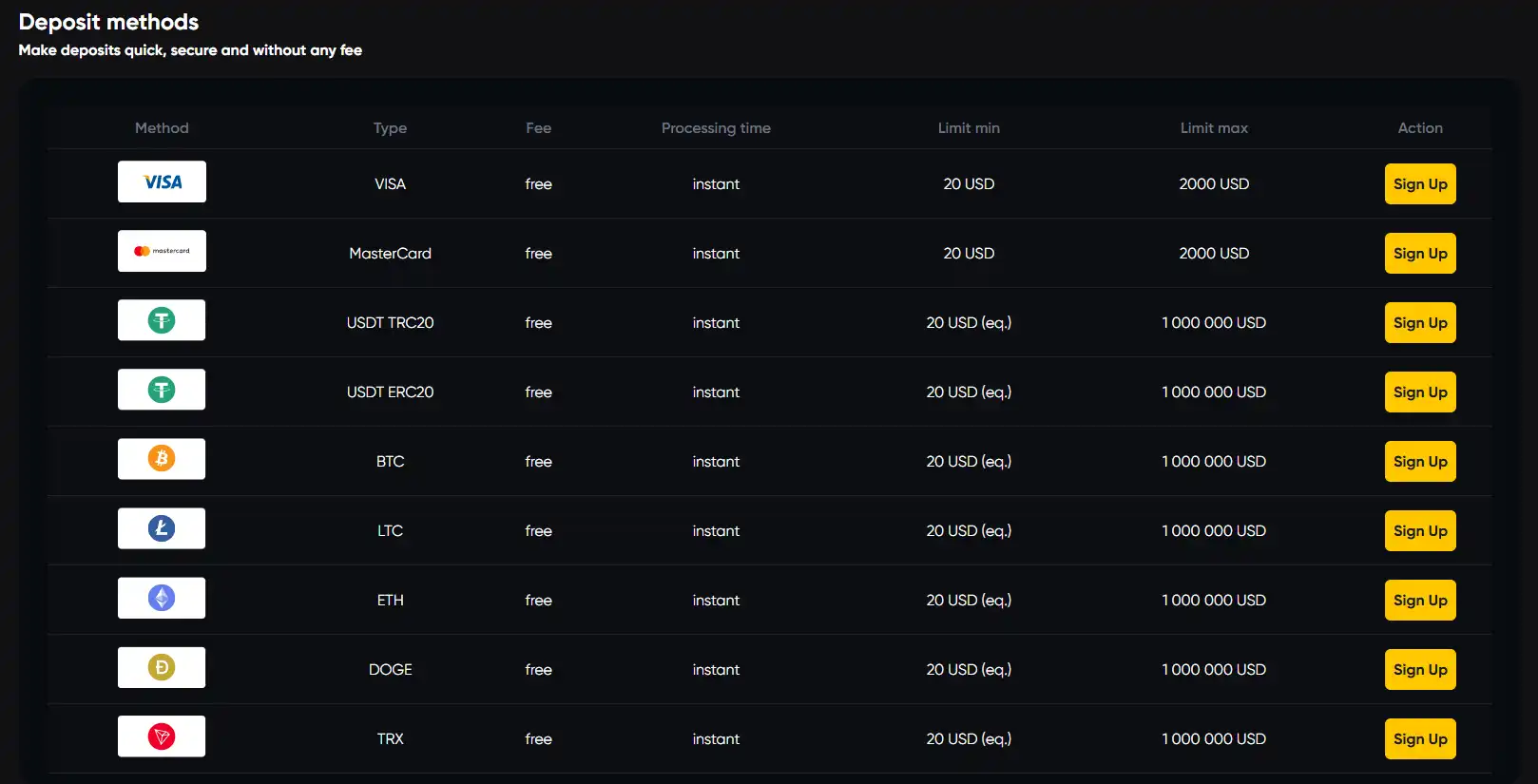
Available methods include PayID and other bank transfers, credit and debit cards, PayPal, Skrill and, at some casinos, cryptocurrency. Prepaid vouchers such as Neosurf are generally for deposits rather than withdrawals.
Published by the Caswino Casino team.