







Pay by Phone Casinos in Australia: PayID Explained
 Available in AU
A phone number can identify a bank payment through PayID, while carrier billing charges a mobile account or prepaid balance.

- Phone-Bill Payments and PayID Are Not the Same Thing
- How PayID Deposits Reach a Casino Account
- What Makes a PayID Casino Suitable for a Deposit
- Bonuses, Wagering Terms and the Fine Print
- BetStop, Boku and What a Payment Method Cannot Tell You
- Casino Games and Slots Do Not Change the Payment Rail
- Credit Cards, Bank Transfers and the Withdrawal Catch
Phone-Bill Payments and PayID Are Not the Same Thing
“Pay by phone” can describe two different payment arrangements. One puts a charge through a mobile carrier; the other uses a phone number as an identifier for a bank payment. The wording sounds similar, but the money does not travel by the same route. Confusing the two can make a payment option look like something it is not.
With carrier billing, a purchase is charged to a mobile account or deducted from a prepaid balance. The phone service is the billing channel. The customer may confirm a purchase on a handset, but the charge is not thereby a bank transfer. That is what people generally mean by paying through a phone bill.
PayID is different. It is a payment service provided through Australia’s New Payments Platform (NPP). A mobile number or email address can act as the identifier used to send or receive a payment. The identifier points to a bank account; it does not turn the payment into a charge from a telecommunications provider. The funds move through the banking system.
When choosing a pay-by-phone casino in Australia, check the payment options and terms that matter to you before depositing. This list offers a starting point for reviewing the available operators and their stated details.
License: Curacao Gaming Control Board OGL/2023/174/0082 (Dama N.V.) SpinsUp is listed with a Curacao Gaming Control Board licence held by Dama N.V.
License: Curacao (operating since 2017) · Min. deposit: A$20 Uptown Pokies has operated since 2017 and lists a minimum deposit of A$20. Its stated licence is Curacao.
License: Curacao eGaming (Dama N.V.) JeetCity Casino lists a Curacao eGaming licence held by Dama N.V.
License: Curacao · Min. deposit: A$20 (POLi) Lucky Dreams lists a Curacao licence and a minimum deposit of A$20 when using POLi.
License: Curacao – Antillephone N.V. (Versus Odds B.V.) · Min. deposit: EUR 20 Thor Casino lists a Curacao licence from Antillephone N.V., with Versus Odds B.V. named. Its stated minimum deposit is EUR 20.
License: Curacao Gaming Authority (Jumpman Gaming Ltd) DragonSlots Casino lists a Curacao Gaming Authority licence held by Jumpman Gaming Ltd.
Payout speed: crypto 30-120 minutes, fiat 24-72 hours · Min. deposit: A$30 MrPacho lists a minimum deposit of A$30. Its stated payout times are 30–120 minutes for crypto and 24–72 hours for fiat.
License: Curacao eGaming OGL/2024/923/0383 (Antillephone N.V.) · Min. deposit: A$30 WinSpirit Casino lists a Curacao eGaming licence from Antillephone N.V. and a minimum deposit of A$30.
License: Curacao Gaming Control Board JustCasino lists a Curacao Gaming Control Board licence.
License: Curacao Gaming Control Board OGL/2023/176/0095 (Hollycorn N.V.) Rollero Casino lists a Curacao Gaming Control Board licence held by Hollycorn N.V.
That distinction matters when a page describes a “mobile casino pay by phone bill” option. The phrase might mean a carrier-billed purchase, or it might be loose wording for a PayID transfer initiated with a mobile number. Those are not interchangeable methods. A phone number appearing in the process does not establish that the phone bill will be charged.
What the phone number actually does
A PayID is an alternative to entering conventional bank account details. Instead of treating the mobile number as a source of credit, the payment service uses it as an identifier associated with an account. The sender uses their bank’s payment service; the recipient receives funds through the banking network.
This is the point that gets blurred in descriptions of online casino pay-by-phone options. “Mobile” can refer to the device used to make a payment, the identifier used to address it, or the carrier account that is billed. Those describe different parts of a transaction. A payment made on a smartphone is not automatically a phone-bill payment, just as a mobile number used for PayID is not a carrier-billing instruction.

The same distinction applies to searches for casino payments by phone bill, mobile slots paid through a phone, or online games that accept a handset-based method. Those phrases describe what someone expects to happen, not necessarily the underlying payment rail. The label needs to be read carefully: does it say the carrier account is charged, or does it direct the user to a bank payment service? The wording alone can be imprecise.
From the operational side, the category label is often less useful than the payment instruction itself. A carrier charge and a bank transfer have different providers, account relationships and records. Calling both “pay by phone” conceals those differences. A mobile interface is only the screen; it does not identify who holds the funds or how the payment is settled.
The Australian context
PayID belongs to Australia’s real-time payment infrastructure, the NPP. It allows people with Australian bank accounts to send and receive money using an identifier such as a mobile number or email address. Its connection to a mobile number is a way to address the payment, not a mechanism for adding the amount to a phone bill.

The legal context also matters here. Under the Interactive Gambling Act 2001, it is illegal for operators to provide real-money online casino games, including slots, poker and table games, to people physically located in Australia. A payment label does not change that status. Whether a site describes a method as a phone-bill option, a mobile payment or PayID does not establish that the underlying casino service can lawfully be offered to Australian customers.
This is why the phrase “pay by phone bill casino Australia” should not be treated as proof that a locally available, lawful casino payment product exists. It is a description people may use for a desired payment experience. It does not validate the operator, the service or the payment route.
The phrase “mobile casino games you can pay by phone bill” also combines two separate questions: what a service offers and how a payment is made. A game appearing on a mobile screen does not make it a phone-bill purchase. A PayID option does not make a real-money casino service lawful. Payment terminology answers only a narrow question about the route for funds.
Legal Prohibition
Under the Interactive Gambling Act 2001, it is illegal for operators to provide real-money online casino games to people physically located in Australia.
In plain terms, carrier billing charges a telecommunications account; PayID uses a banking identifier. The shared reference to a phone is the source of the confusion, not evidence that the methods work alike. Different rails. Different meaning.
How PayID Deposits Reach a Casino Account
A PayID deposit has two separate stages: the bank sends the payment, and the casino’s account system identifies where to credit it. Those stages are related, but they are not the same event. A transfer can settle through the banking network while the corresponding casino balance remains unchanged because the payment has not been matched to an account.
That distinction is where much of the confusion starts. A confirmation in a banking app tells the payer that the payment has been submitted or completed on the banking side. It does not, by itself, confirm that a casino has credited a particular player account. For the account credit to happen, the casino needs to recognise the incoming payment and associate it with the right customer.
In Australia, this explanation is about how PayID transfers and payment matching work, not a recommendation to deposit at an online casino. The Interactive Gambling Act 2001 prohibits operators from providing real-money online casino games, including pokies and table games, to people located in Australia. Payment instructions do not change that legal position.
From the deposit screen to the banking app
Where a payment facility offers PayID, the basic sequence is straightforward: the account holder selects PayID, enters a deposit amount, then confirms the payment in their banking app. PayID is provided through the New Payments Platform (NPP), which processes transfers in real time. That describes the payment rail; it does not mean every account balance updates at the same instant.

The payment screen and the banking app each serve a different purpose. The first records the intended deposit amount and may provide payment details or a reference to use. The banking app is where the payer reviews and authorises the transfer. Once the transfer is sent, the receiving organisation still has to connect it to the account for which it was meant.
I separate these steps because the word “instant” can blur them together. The transfer may settle in real time, but settlement is not the same as account credit. The casino’s matching process sits between the two. A payment can reach its destination without the account system knowing which player balance should receive it.
Why the reference is not a minor detail
A payment reference is the information used to identify the purpose or destination of a transfer. If a casino requires a player ID or username in that field, the reference acts as a matching key. It gives the receiving payment process a way to connect the incoming money with the relevant account record.
That is why a missing or incorrect reference can interrupt an otherwise completed transfer. The banking side may have processed the payment, but the casino’s system may not be able to assign it automatically. In that situation, the deposit can remain pending while support staff investigate and process it manually.
Attention: A missing or incorrect payment reference can interrupt a completed transfer, leaving the deposit pending while staff process it manually.
The important point is not that a reference guarantees crediting. It is that the required identifier can make automatic matching possible. A blank field, a mistyped username or a reference copied from a different payment can leave the system with money to reconcile but no reliable account match. The payment itself and the account record no longer line up.
I have seen payment language treated as decoration when it is really operational data. The player ID is not there to make a transfer look tidy. If the receiving process depends on it, the reference is part of the route by which the deposit is attributed. Small field. Big consequence.
The hand-off between bank and account
A useful way to understand the process is to follow the information, not just the money. First, a payment request is prepared through the casino’s deposit facility. Then the payer enters the amount and confirms the transfer in the banking app. The NPP handles the transfer between participating financial institutions in real time. Finally, the receiving casino’s payment process attempts to match that transfer to a player account.
The first three actions do not prove that the final match has succeeded. The bank can report a completed transfer while the casino account still shows no corresponding credit. That gap does not automatically mean the money has disappeared or that the payment has been reversed. It means the payment status and the account-credit status need to be distinguished.

This is a familiar back-office problem: a transaction arrives, but one of the identifiers expected by the receiving system is absent or does not correspond to a customer record. Automated systems can handle clean matches. Exceptions need attention. A pending status is therefore a queueing or reconciliation issue, not a different type of PayID transfer.
The same logic applies when an interface displays a payment instruction that includes a reference. The instruction is only useful if the payer’s transfer carries the identifier in the field the receiver expects. A note entered somewhere else may not be available to the matching process. The key is consistency between the receiving instruction and the payment details actually sent.
What “paid” can mean
The term “paid” gets used loosely in payment screens and support conversations. It may refer to a transfer authorised in the banking app, a transfer settled through the payment network, or a deposit credited to a casino balance. Those are different statuses. Treating them as interchangeable is how a routine delay becomes a confusing dispute.
A banking confirmation is evidence about the bank transaction. A casino account history is evidence about whether the account has been credited. If the two records do not agree, the reference and payment details become central to resolving the difference. The account holder may need to provide transaction information through the relevant support process, particularly if the transfer could not be matched automatically.
I would not read a missing balance as proof that the transfer failed, nor assume that a bank confirmation means the casino has completed its own accounting. Both conclusions jump past the hand-off. The useful question is which stage has been completed and which one remains unresolved.
- Establish the status of the original transaction
- Distinguish between bank settlement and account credit
- Repeatedly initiate another payment
- Treat the balance display as the only record
This is also why repeatedly initiating another payment is a poor response to uncertainty. A second transfer does not repair the reference on the first one; it creates another transaction to identify. The mechanics are simple, but duplicate uncertainty is not. The safer interpretation is to establish the status of the original transaction rather than treating the balance display as the only record that matters.
Where delays can arise
PayID’s real-time settlement describes the movement of funds through the NPP. It does not specify how quickly a separate business system will match a transfer or resolve an exception. A correctly identified payment may be handled automatically; a payment without the required player ID or username can need manual support processing.
That creates two different kinds of delay. One is a payment-network issue, where the transfer itself has not completed as expected. Another is an account-credit issue, where the transfer has reached the recipient but has not been assigned to the right player record. The facts visible in the bank and casino records help distinguish them, but the two should not be collapsed into a single label such as “PayID is slow.”
The reference is especially important because it helps reduce avoidable ambiguity at that second stage. It does not control the NPP, and it does not make an operator’s account system infallible. It gives the receiving side information it may need to recognise the transaction. If that information is missing, staff may have to reconcile the payment manually.
In payment operations, the unglamorous part is often the decisive one: the identifier has to survive the hand-off. A transfer can be technically complete and still be operationally unresolved. That is the difference between money moving and an account being credited.

What Makes a PayID Casino Suitable for a Deposit
For an Australian audience, there is an important limit to this comparison: real-money online casino games, including pokies, are prohibited services when offered to people in Australia. A payment option does not change that legal position. So a “best” label attached to a casino accepting PayID is not, by itself, a sound basis for treating the service as suitable.
When assessing a payment route in general, the first practical check is the recipient shown in the banking app. Its name should match the payment details supplied for the transaction. If the name is unexpected or the details do not line up, the transfer should not be confirmed. That check matters more than a polished deposit page; payment descriptions can be dressed up, but the destination is where the money goes.
The reference field deserves the same care. Where a service requires a player ID or username, that identifier belongs in the payment reference exactly as requested. A missing or mistyped reference can leave a deposit uncredited automatically and require support staff to locate it. A distinct reference for each transaction also makes a payment easier to trace. Small field, real consequence.
Deposit thresholds are another point of comparison, though they are not universal. PayID deposit minimums commonly fall between AUD 10 and AUD 20. Some services accept a lower amount, down to AUD 5, through bank transfer instead. That difference can matter when a stated minimum does not fit the intended deposit; it does not establish that the alternative route is safer or that the service is legitimate.
PayID Limits
Major Australian banks commonly permit individual PayID transfers between AUD 1,000–5,000, with daily limits typically ranging from AUD 10,000 to AUD 20,000.
The bank sets the PayID transaction limit, and those limits differ between institutions. A deposit amount that appears acceptable on a casino page may still exceed the bank’s own cap. Major Australian banks commonly permit individual PayID transfers in the AUD 1,000–5,000 range, while daily limits may sit between AUD 10,000 and AUD 20,000. These are bank controls, not a promise that a particular payment will be approved. The account’s actual limits govern.
I have seen payment pages make the deposit threshold look like the whole decision. It is not. Recipient identity, the required reference, the minimum amount and the bank’s transfer controls are separate checks; passing one does not settle the others. Nor does the presence of PayID verify a casino’s licence or payout record. Those questions require independent scrutiny, and a payment logo cannot answer them.
Searches for a casino that accepts PayID, or for pokies paid for through a mobile device, often blur together payment convenience and service suitability. The distinction is consequential. A recognisable payment rail says how money may be sent; it does not certify the business receiving it or make a prohibited service lawful in Australia. No ranking can replace those checks.
Bonuses, Wagering Terms and the Fine Print
A promotion’s headline describes the part designed to attract attention. The terms determine what the offer actually permits. “No wagering” is not the same as “no conditions”: eligibility rules, game restrictions, expiry terms or a maximum cash-out can still affect whether bonus funds can be used and what can be withdrawn.

There is a more fundamental point for people in Australia. Under the Interactive Gambling Act 2001, providing real-money online casino games to people physically in Australia is illegal. That prohibition covers casino-style offerings such as pokies, poker and table games. A bonus label does not change the legal status of the service. These terms are therefore useful for understanding what an offer claims to do, not as an endorsement of online casino play in Australia.
What “no wagering” leaves unanswered
Wagering requirements set out how much qualifying play must occur before bonus funds, or winnings linked to them, can be withdrawn. An offer described as having no wagering removes that particular hurdle, if the claim is accurate and applies to the whole offer. It does not establish that every other condition has disappeared.
The distinction matters with phrases such as “no wagering pokies” or “free spins”. A promotion may attach its own eligibility, game, time or withdrawal conditions. The practical question is not only whether wagering is required, but also what counts as qualifying activity and whether any resulting winnings face separate restrictions. The wording on the offer page and the full terms need to match.
“No deposit” describes how an offer is presented, not what can ultimately be cashed out. It does not, by itself, establish that an account can claim it without eligibility checks, or that winnings are unrestricted. Those details belong in the terms. The headline is not the contract.
Understanding “No Wagering”
An offer described as having no wagering removes the requirement for qualifying play before funds can be withdrawn, provided the claim is accurate and applies to the whole offer. However, other conditions like eligibility, game restrictions, and maximum cash-outs may still apply.
Five conditions that change the value
Before assessing a promotion, the important conditions are:
- Wagering requirements: Identify whether play-through applies, what balance or winnings it covers, and which activity counts toward it. A requirement can make a headline amount less meaningful if the conditions are demanding.
- Maximum bet limits: Check whether a cap applies while bonus funds are active. A breach may affect eligibility for the promotion or winnings, depending on the stated rules.
- Game weighting: Terms may count different games or categories differently toward a wagering requirement. A game being available does not mean its play contributes equally, or at all.
- Time limits: Note when an offer must be claimed and when bonus funds or related winnings expire. An attractive offer with a short use period may be impractical.
- Maximum cash-out: Look for a ceiling on the amount that can be withdrawn from bonus-related winnings. Without that check, a displayed balance can be mistaken for an amount payable in full.
These conditions interact. A short expiry period matters more when a wagering requirement remains; a bet cap may constrain how that requirement can be met; a cash-out ceiling can limit the result even after the other conditions are satisfied. Read the clauses together. Isolated headline claims conceal the structure.
Promotional language versus the operative terms
“Free spins” does not necessarily mean unrestricted cash. The terms should say which games the spins apply to, how winnings are treated, and whether any wagering or cash-out restriction follows. Likewise, “no deposit” says nothing by itself about how long an offer remains available or whether it can be combined with another promotion.
I have seen the same basic mistake repeatedly: a player reads the label as a promise, then treats the detailed conditions as minor exceptions. They are the working rules. If the headline and terms appear inconsistent, the safer reading is not to assume the more generous interpretation. The ambiguity is material.
For any promotion encountered in Australia, a careful reading cannot turn a prohibited online casino service into a lawful one. The legal restriction applies to the service, not just to its payment method or promotional wording. A bonus’s terms can explain its conditions; they cannot make the underlying offer appropriate for Australian residents.

BetStop, Boku and What a Payment Method Cannot Tell You
BetStop, Boku and PayID answer different questions. BetStop is a self-exclusion register; Boku is associated with carrier billing; PayID is a way to make a bank payment. Seeing one of these names in a payment menu does not establish whether an online casino may legally serve people in Australia, whether it is covered by BetStop, or whether it pays withdrawals reliably.
That distinction matters with searches for a phone-bill casino “not on BetStop”. The wording can suggest that exclusion from the register is a desirable feature. It is not a safety check. Nor does a casino’s absence from a register prove anything about its legal status. Under the Interactive Gambling Act 2001, operators must not provide real-money online casino games to people physically located in Australia. A payment option cannot change that rule.
Boku raises a separate issue. Carrier billing charges a purchase to a mobile account or phone bill; it is not the same as a PayID transfer from a bank account. A service accepting one method rather than another tells little about the operator behind the payment page. “Pay by phone” is a description of the billing route, not proof of a licence, lawful access, fair terms or dependable cash-outs.
A self-exclusion register for gambling services.
A service associated with carrier billing (charging a mobile account).
A bank payment identifier provided through the New Payments Platform (NPP).
The same applies to claims about phone-bill payments for real-money play, or a no-deposit offer. The payment label and the offer are separate from the questions that matter: what service is being provided, what conditions apply, and what happens when a withdrawal is requested. A promotional claim does not verify any of those things.
PayID has its own narrow mechanics. A casino may ask for a player ID or username in the payment reference so that an incoming transfer can be matched to an account. If the reference is missing, the deposit may not be credited automatically and can remain pending while support handles it. That is an account-matching problem, not evidence that the operator is legitimate or that it is listed with BetStop.
I have seen payment badges treated as shortcuts for due diligence. They are not. A payment method confirms only that a particular route is being offered; it does not independently confirm the operator’s legal position or payout record. Those checks have to be made separately, and Australian law prohibits the provision of online casino services to people in the country. The badge proves less.

Casino Games and Slots Do Not Change the Payment Rail
A game catalogue and a payment method answer different questions. Pokies, table games and other casino-style games describe what an online service offers; PayID describes a way to send a payment through a banking app. A game title cannot make a transfer behave differently, and choosing a payment option does not establish which games are available or whether an operator may lawfully offer them in Australia.
That distinction matters because promotional labels often bundle unrelated features together. “Pay by phone slots” can sound as if the phone itself is the gaming or payment mechanism. In practice, a PayID deposit is initiated in a banking app: the depositor selects PayID, enters an amount and confirms the transaction. The game screen is separate from those steps. PayID deposits may reach a casino account within seconds, but that timing says nothing about the games on offer.
There is also an important Australian legal boundary. Under the Interactive Gambling Act 2001, operators may not provide real-money online casino games to people physically located in Australia. That includes slots, poker and table games such as blackjack and roulette. A payment button, mobile-friendly page or overseas brand does not change that rule. Nor does a payment option turn a prohibited service into a permitted one.
I have seen payment features presented as if they were a quality stamp. They are not. A site displaying PayID has shown, at most, that it presents a payment route. It has not thereby established its legal status, its payout record, the reliability of its game software or the terms attached to a promotion. Those are separate matters, and the payment screen does not answer them.
The same separation applies to bonuses. A promotion attached to a game is not a property of PayID. The payment rail moves money; it does not determine whether a bonus applies to a particular game, how its conditions work or whether winnings can be withdrawn under the stated terms. Those details belong to the promotion and its conditions, not to the deposit method. “Phone bonus” is a marketing label, not a technical feature of the bank transfer.
- Payment rails move funds but do not certify the legality of the operator
- Game catalogues and payment methods are separate layers of service
- Promotional bonuses have specific conditions independent of the deposit method
- Mobile access is a device feature, not a payment or legal mechanism
Search phrases that combine a country, a game and a payment method can also blur the distinction. References to German-language casinos or Curaçao-linked casinos do not change the Australian legal position for someone physically in Australia. An overseas location or licence claim is not permission to provide real-money online casino services to Australian residents. A search for mobile slots does not make the service lawful either.
Mobile access is another separate feature. A game page may be designed for a phone, while a PayID transfer still requires confirmation in the banking app. Conversely, a payment option being available on a mobile device does not establish that a particular game can be played there. Device, game catalogue and payment rail are three different layers. Marketing tends to compress them into one neat phrase. The mechanics do not.
The distinction is useful even when no deposit is being made. A payment method should not be read as a recommendation of the games, and a familiar game name should not be read as proof about payment handling. Each label has a narrow meaning. PayID is about payment; a game listing is about content; a bonus is about promotional conditions. None substitutes for the others.
For Australian audiences, there is a further limit: real-money online casino services must not be promoted or provided. So descriptions of “top” phone-payment casinos or lists of mobile pokies should not be treated as an invitation to use such services from Australia. The language can make the offer look routine. The legal position is not.
Keep the categories apart. Payment moves funds. Games describe content. Promotions set their own conditions. A phone does not collapse those differences.
Credit Cards, Bank Transfers and the Withdrawal Catch
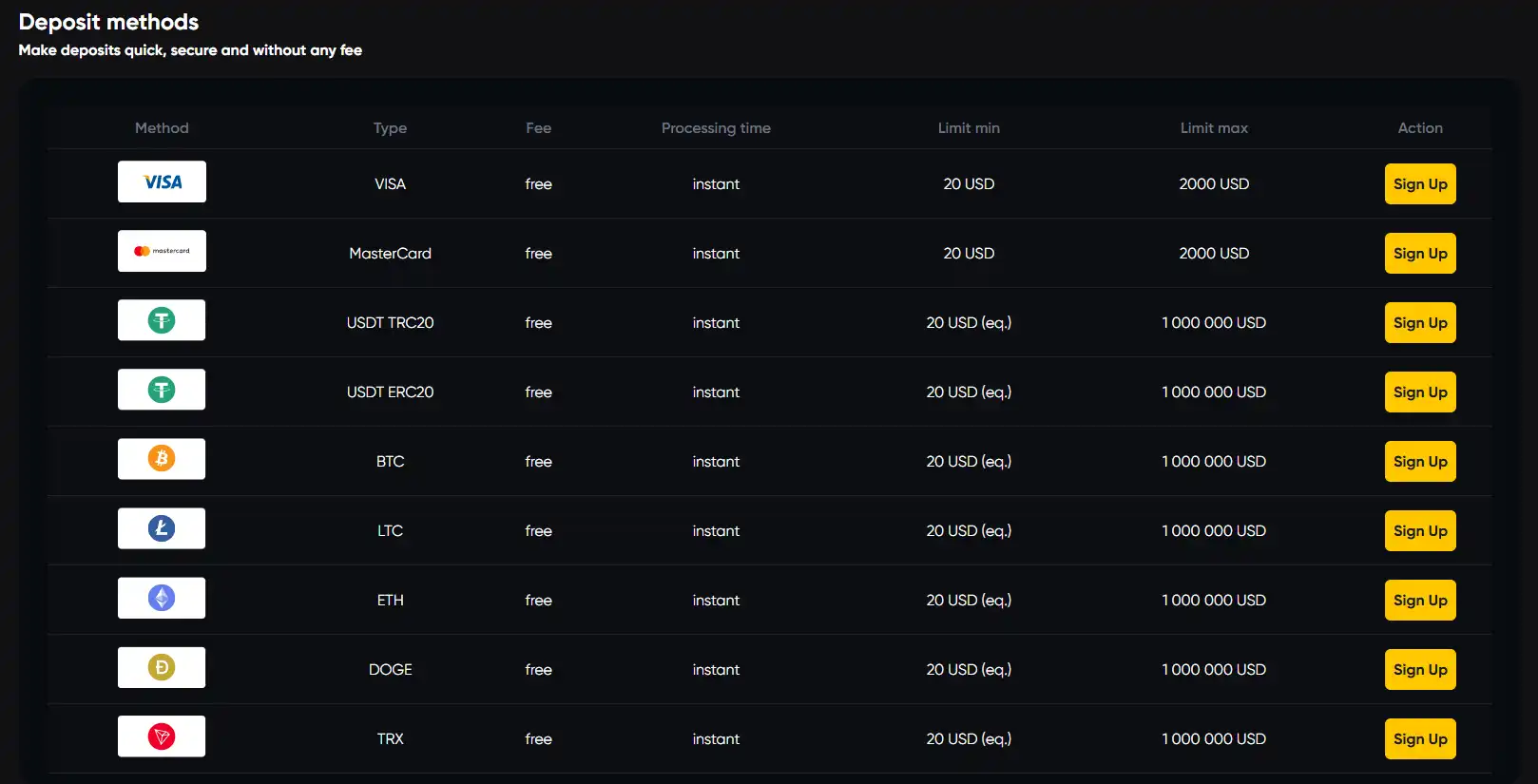
A card that can fund an account does not necessarily provide a route for receiving money back. Visa and Mastercard are widely accepted for deposits in many gambling contexts, but a specialist review describes card withdrawals as dependent on the payment processor: they may take longer or may not be available at all. That distinction matters because a deposit button says little about the cash-out route.

There is also a legal boundary in Australia. Under the Interactive Gambling Act 2001, operators must not provide real-money online casino games to people physically in Australia, and accepting credit-card payments for online gambling services is restricted. An offshore payment option does not change that position. I treat a payment logo as a technical detail, not as evidence that a service may legally be offered here.
Bank transfer can be a separate withdrawal route, but it brings its own checks. A casino may ask for bank details and identity documents before processing a transfer. KYC verification should be completed before a first withdrawal; a specialist review notes that doing it early can help avoid paperwork delays. Bank transfers and card withdrawals may take three to five business days, while the operator’s own review can add time before the payment is released. The payment rail is only one part of the wait.
The less visible condition is the deposit-and-withdrawal rule. A specialist review reports that an operator may require a withdrawal to return through the deposit method where that is possible. That can become awkward when a card processor does not support payouts, or when the original card is no longer usable. The terms should explain what happens in that case and which alternative method is accepted. A method that works in one direction is not a complete payment plan.
For Australians, these comparisons should not be read as a recommendation to use an online casino. They describe why payment labels can be misleading: deposits and withdrawals may follow different routes, and a card logo does not settle either the legal question or the payout question. Check the legal status and payout record independently. No shortcut.
Can you withdraw casino winnings using PayID?
Yes, some casinos offer PayID withdrawals. They may set minimums of AUD 20–50 and maximums of AUD 5,000–10,000 per transaction, and the casino’s review can affect how quickly the money arrives.
What are the minimum and maximum deposit limits at PayID casinos?
PayID casino deposits commonly start at AUD 10–20. The maximum transfer is set by your bank; many major Australian banks allow AUD 1,000–5,000 per transaction, with daily limits of AUD 10,000–20,000.
What is the minimum PayID deposit?
PayID casino deposits commonly start at AUD 10–20.
How long do PayID deposits take?
The bank transfer usually arrives within seconds—typically 3–15 seconds—or within minutes once released. The casino may take additional time to match the payment to your account, especially if the required player ID or username is missing from the reference.
Created by the ”Caswino Casino” editorial team.