






RTG Casinos in Australia: Games, Bonuses and Risks
 Available in AU
RTG branding alone does not establish game availability, operator terms, payment mechanics or whether real-money play is lawful in Australia.

- RTG Games Online: Demo Play, Real-Money Play and the Australian Context
- What an RTG Casino Directory Can—and Cannot—Tell You
- RTG Software and the Limits of What Is Known About New Releases
- RTG Casinos and Australian Law: The Offshore Gap
- RTG’s Game Portfolio: Pokies, Table Games and Progressive Jackpots
- Free Spins and No-Deposit Bonus Terms
- Real-Money Accounts: Payment and Withdrawal Mechanics
- RTG Casino Licensing and Withdrawal Delays: What the Labels Leave Out
RTG Games Online: Demo Play, Real-Money Play and the Australian Context
RTG games have two modes of use: demo play and real-money play. That distinction describes how a game may be made available; it does not establish that every RTG title, or every site carrying one, offers both modes. Nor does it say anything by itself about the operator behind a site. I keep those points separate because a familiar game label can make several different questions look like one.
In demo mode, play does not involve wagering real money. Real-money mode does. The game may appear similar in either setting, but the practical meaning changes at the point where money is involved. A screen showing a game is not enough to tell which mode is active, what terms apply, or whether the service is lawful for someone in Australia. Those are separate matters, not details supplied by the RTG name.
This is also why phrases such as “free play” need to be read literally and narrowly. Demo access means a way to try a game without real-money wagering; it is not evidence that the same game can lawfully be played for money from Australia. And the presence of a real-money option elsewhere does not turn demo play into a safer or more suitable substitute. They are different modes, with different consequences.

I have seen how easily the distinction gets blurred in casino copy. “Play now” can refer to a demonstration or a money-based session, while images and game interfaces may not make the difference obvious at first glance. The label matters. So does the point at which a user is asked to register, deposit or accept terms. None of those steps should be treated as proof that a service is available under Australian law.
For Australian readers, the legal setting is central. Under the Interactive Gambling Act 2001 and its amendments, online casino operators must not offer real-money casino games to people in Australia. This covers online casino-style services, including pokies and table games. The restriction is directed at the operator providing the service. Australian players are not explicitly criminalised simply for accessing offshore casino sites, but that does not mean those sites are locally authorised or that a player receives Australian consumer protection if something goes wrong.

The Australian Communications and Media Authority, or ACMA, blocks access to illegal gambling sites and maintains a blacklist. Access may therefore be disrupted, even where a site presents itself as available to Australians. A website’s own claim that it accepts Australian users cannot override the law or establish a right to use its services. This is a legal boundary, not a technical inconvenience to work around.
That boundary also changes how the phrase “RTG online casino” should be understood in Australia. It can describe a site that carries RTG games, but it is not a recommendation, a local approval or proof of lawful operation. Calling one the “best” does not resolve those questions either. A ranking or promotional label cannot make an offshore real-money service compliant with Australian restrictions.
The same caution applies to mobile wording. “Mobile casino” may simply describe a site or game accessed on a phone; it does not establish that a particular RTG game is available in a mobile format, or that real-money access is permitted in Australia. A device changes the screen, not the legal status. I would not infer more from that label than it actually says.

Demo play and real-money play are therefore useful terms, but they are not a verdict on a service. Demo access identifies a non-wagering mode. Real-money access identifies a mode involving stakes, which operators cannot offer to people in Australia under the applicable law. Between those facts sits the distinction that promotional language often compresses: game availability is not the same as lawful local availability.
There is a further practical limit to offshore access. Disputes with offshore casinos do not come with local Australian legal protection; recourse is typically a complaint to the foreign regulator. A player may face a site that is inaccessible or a dispute process outside Australia, without the protections a local consumer might expect. That is not a minor footnote to a game choice. It is part of what real-money access means in this market.
So the most accurate reading is a restrained one: RTG games support both demo and real-money play, but that fact does not endorse any operator or establish that real-money casino play is lawful for Australians. The mode is one question. Australian law is another. Keep them apart.
Legal Warning
Under the Interactive Gambling Act 2001, online casino operators must not offer real-money casino games to people in Australia.
What an RTG Casino Directory Can—and Cannot—Tell You
A directory entry can establish that a casino is associated with RTG software. It cannot, on its own, establish that the operator behind the entry meets a consistent standard. The provider label describes one part of the product; it does not settle how an individual casino handles account terms, complaints or withdrawals.
That distinction is easy to miss in a list. Repeated names, badges and short descriptions make separate businesses look as though they belong to one controlled network. In practice, many casinos using RTG software are licensed independently. Standards and trustworthiness can therefore differ from one operator to another, even when the software label is the same.
I learned to treat the label as a starting point, not a verdict. A directory may help organise names, but inclusion is not a substitute for examining the operator’s own rules. Nor does the number of entries make a directory complete. “Full list” sounds definitive; it is a claim about coverage, not proof of shared oversight or reliability.
The same caution applies to wording such as “trusted” or “top.” Those are assessments, not operating terms. What matters for a cash-out is the specific policy attached to the account and, especially, whether a limit applies to the amount withdrawn over a stated period. A casino’s headline description can leave that detail out.
Why withdrawal caps change the picture
A cap sets a ceiling on how much can be paid out within a weekly or monthly period. That can affect the practical value of a balance: a large amount may not be available in one transfer if the operator’s rules divide withdrawals across periods. Bonus-related winnings may carry their own restrictions, so the ordinary cash-out policy may not tell the whole story.

A specialist review has reported a weekly limit of AU$4,000 for standard players. That is a reported example, not a market-wide rule or a promise that any particular operator applies it. Caps vary, and the terms attached to an individual account are the relevant ones. A directory that mentions a limit without specifying whether it applies to standard balances, bonus winnings, or both leaves an important gap.
This is where comparison pages can flatten meaningful differences. Two entries may both say “RTG casino,” while one operator’s terms impose a different withdrawal ceiling from another’s. A list that ranks or groups those entries without explaining the policy can make unlike arrangements appear equivalent. The label does not resolve the difference.
From behind the counter, a cap is not a decorative footnote. It shapes what a customer can actually receive and how long a balance may remain subject to the operator’s process. Read the limit alongside the conditions that define which winnings it covers. Small print matters.
There is also a wider boundary that a directory cannot remove: Australian players have minimal or no protection under Australian consumer law in disputes involving offshore casino transactions. A listing does not create local protection, and an operator’s presence in a directory should not be read as an endorsement or a recommendation to use its services.
The useful question is therefore not whether a directory looks extensive, but what its entries genuinely establish. An RTG association identifies a software connection. Operator terms determine the withdrawal rules, and independent licensing does not make every operator equally dependable. Those are separate facts—not one guarantee.
- Examine the operator’s own rules
- Check specific withdrawal policies
- Read the small print on caps
- Treat software labels as a verdict
- Rely on a directory for reliability
- Assume “top” labels are operating terms
RTG Software and the Limits of What Is Known About New Releases
RealTime Gaming, generally shortened to RTG, is a software development company founded in Atlanta in 1998. It began in the United States and later moved its operations to Costa Rica. Those details describe the supplier’s history; they do not describe every casino that uses its software, or establish a standard for how those casinos are run.
That distinction matters whenever a site is described as an RTG casino. The label points to a connection with a game supplier. It does not, by itself, tell us who operates the site, how its policies work or whether the operator offers consistent service. I keep those questions separate. Software provenance is one thing; the business using the software is another.
What the software label establishes
In ordinary terms, RTG casino software is the supplier’s product, while a casino operator is the business presenting games to its customers. The distinction can get blurred in advertising: a name associated with the software may be made to sound like a guarantee about the whole casino. It is not. A supplier’s identity cannot stand in for an assessment of an operator.
The same care applies to descriptions of an RTG slot machine or an online RTG game. A software label identifies an association, not a complete account of the product’s current availability, terms or presentation. Nor does it establish that every casino using the software offers the same selection or operates under the same conditions. The name tells only part of the story.
This is a practical distinction, not a technical quibble. When information about a site is presented under a supplier heading, it can be easy to attribute the operator’s choices to the software company. I avoid that shortcut. The supplier’s background can be stated plainly; claims about a particular casino need to be considered as claims about that casino.

How to read claims about new releases
“New” is one of those words that looks precise but often is not. It might refer to a recently launched title, a game newly added to one operator’s catalogue, or simply a title being newly promoted. Those are different situations. Without dated, supplier-specific confirmation of a release, naming a title as a new RTG release would turn an uncertain label into a factual claim.
A reliable release description needs more than a game name and a current-looking page. It should connect the title to RTG and make clear what “new” means in context. A casino adding an existing title to its own menu does not, by that fact alone, make the title newly released by the supplier. Likewise, a page refreshed with new promotional wording is not evidence of a new software release.
The same standard applies to claims about new RTG slots or a new RTG casino. The first phrase concerns a product-release claim; the second may simply describe an operator that has recently appeared or added RTG content. Neither expression confirms the other. A new casino can feature established software, and the presence of RTG software does not date the operator’s launch. Labels need dates and clear subjects.
That is why I would not treat a page headed “latest releases” as self-verifying. The useful details are the supplier attribution and the release context, not the freshness of the heading. If those details are absent, the sound conclusion is limited: the page is presenting a title, but the word “new” has not been established by the wording alone. A neat label is not proof.
Demo wording and product identity
Searches and catalogue headings also use phrases such as “RTG slots free” or “RTG slot demo.” Those phrases can refer to a mode of access rather than a separate software product. Demo play and real-money play are supported across RTG games, but that fact does not turn every game page into evidence about release dates. It describes available modes, not when a title first appeared.

Keeping those ideas apart prevents a common category error. A demo label does not establish that a game is new; a real-money label does not establish that the casino is operated by RTG. The software company and the operator occupy different positions in the chain. A page can identify one while leaving the other unclear.
The word “free” also needs careful reading. It may describe access to a demo mode, rather than a claim about a real-money account or any wider casino arrangement. The surrounding wording should make clear what is being offered and who is offering it. I would not infer a release history, operator identity or service standard from that single adjective. Small words carry big assumptions.
Supplier history is not an operator verdict
RTG’s founding and later relocation provide background about the developer. They do not function as a quality rating for each casino displaying its games. A supplier can be identified accurately while the operator remains a separate entity with its own business practices. Treating the two as interchangeable makes a software name do work it cannot do.
For the same reason, the phrase “RTG software casino” is best read as a description of software use, not as a complete endorsement or certification. It answers a narrow question: which supplier is associated with the games being presented? It does not answer broader questions about the operator or establish that one site is equivalent to another.
A useful account of RTG software therefore stays disciplined. It can identify the developer, its origins and the distinction between supplier and casino. It can describe demo access as a mode rather than a release claim. And it can resist turning “new” into a fact unless the title’s release status is clearly substantiated. That is less dramatic than a fresh-release list. More accurate, too.
RTG Casinos and Australian Law: The Offshore Gap
Choosing an RTG casino in Australia calls for a careful look at the information available about each operator, including licensing and practical details where provided. Use these concise notes as a starting point when deciding which options to investigate further.
License: Curacao Gaming Control Board OGL/2023/174/0082 (Dama N.V.) SpinsUp is listed with a Curacao Gaming Control Board licence, OGL/2023/174/0082, held by Dama N.V.
License: Curacao (operating since 2017) · Min. deposit: A$20 Uptown Pokies has operated since 2017 and is listed as licensed in Curacao. Its minimum deposit is A$20.
License: Curacao eGaming (Dama N.V.) JeetCity Casino is listed with a Curacao eGaming licence held by Dama N.V.
License: Curacao · Min. deposit: A$20 (POLi) Lucky Dreams is listed as licensed in Curacao. The minimum deposit is A$20 via POLi.
License: Curacao – Antillephone N.V. (Versus Odds B.V.) · Min. deposit: EUR 20 Thor Casino is listed with a Curacao licence from Antillephone N.V., with Versus Odds B.V. named. Its minimum deposit is EUR 20.
License: Curacao Gaming Authority (Jumpman Gaming Ltd) DragonSlots Casino is listed with a Curacao Gaming Authority licence held by Jumpman Gaming Ltd.
Payout speed: crypto 30-120 minutes, fiat 24-72 hours · Min. deposit: A$30 MrPacho lists crypto payouts at 30–120 minutes and fiat payouts at 24–72 hours. Its minimum deposit is A$30.
License: Curacao eGaming OGL/2024/923/0383 (Antillephone N.V.) · Min. deposit: A$30 WinSpirit Casino is listed with a Curacao eGaming licence, OGL/2024/923/0383, from Antillephone N.V. Its minimum deposit is A$30.
License: Curacao Gaming Control Board JustCasino is listed as licensed by the Curacao Gaming Control Board.
License: Curacao Gaming Control Board OGL/2023/176/0095 (Hollycorn N.V.) Rollero Casino is listed with a Curacao Gaming Control Board licence, OGL/2023/176/0095, held by Hollycorn N.V.
The legal distinction that matters is between the company supplying casino software and the operator making a game available to people in Australia. RealTime Gaming may develop the software, but the Australian restriction concerns the service being offered. An RTG label does not change that position, nor does the fact that an operator is based overseas.
Under the Interactive Gambling Act 2001, as amended, online casino operators cannot legally offer casino games to people physically in Australia. The prohibition covers online casino-style services, rather than turning on which software supplier powers them. In practical terms, the brand on a game and the company operating the site are separate parts of the arrangement. The legal question is not answered simply by identifying the game developer.
That distinction is easy to lose in casino marketing. A page may foreground a software name, a game catalogue or an overseas licence, while saying less about who provides the service and where the customer is located. From the industry side, I learned that labels can describe one part of a product without settling the status of the whole transaction. Supplier and operator are not interchangeable. Different roles.
Attention: A lack of player criminalisation for accessing offshore sites should not be read as a form of consumer protection.
Australian law places the prohibition on operators offering the service. Players are not explicitly criminalised for accessing offshore casino sites. That is a limited statement about the player’s legal position, not an approval of the service, a guarantee of access or a promise that a dispute can be resolved locally. It also does not make an offshore casino an Australian-regulated business.
The distinction matters because legal exposure and practical consequences are not the same thing. A player may not be explicitly subject to criminal prosecution simply for accessing an offshore site, yet still face a transaction with little local recourse if something goes wrong. A lack of player criminalisation should not be read as a form of consumer protection. Those are separate questions.
Access does not mean local oversight
The Australian Communications and Media Authority, or ACMA, works to restrict access to illegal gambling services. It blocks sites identified as illegal and maintains a blacklist that continues to expand. This is an enforcement measure directed at access to the services; it does not amount to a review or endorsement of every offshore operator that remains reachable at a particular moment.
A blocked address may affect whether a site can be reached through a particular connection. Conversely, being able to load a page does not establish that the operator is permitted to offer casino games in Australia. Availability is a technical circumstance, not a legal status. I have seen how quickly those two ideas get conflated: a working page feels like permission, but it proves no such thing.

The blacklist is also not a substitute for a local licensing framework for online casinos. Its purpose is to identify and restrict illegal services, not to certify the operators that are absent from it. A listing, a missing listing, or a change in accessibility should not be treated as a ruling on the quality of a casino or a guarantee about a particular customer’s circumstances.
Where a dispute leads
Offshore casino transactions do not carry the ordinary protection of Australian legal and consumer channels. Australian players have minimal or no protection under Australian consumer law for dealings with offshore casinos, and disputes generally have to be taken to the regulator in the jurisdiction where the operator is licensed. That route is foreign, and its usefulness depends on the regulator and the circumstances of the complaint.
This is a practical gap, not just a technicality. If an operator and a customer disagree, the familiar expectation that an Australian authority can investigate the business as a local casino provider may not apply. The customer may need to identify the relevant foreign regulator and submit a complaint there. A complaint pathway is not the same as a local court remedy, and it does not promise a particular result.
I would separate three questions when reading any claim about an offshore RTG casino: whether the operator may offer the service to Australians, whether the site can currently be accessed, and what route exists if a dispute arises. They do not answer one another. A software supplier’s name speaks to the games; access speaks to connectivity; recourse speaks to jurisdiction. None settles all three.
- Operators face statutory restrictions in Australia
- ACMA blocks illegal services via a blacklist
- Local consumer protection for offshore transactions is minimal or absent
- Disputes must typically be handled through foreign regulators
That is why phrases such as “Australian casino” can mislead when they refer only to an audience or a currency. They do not establish that the business is licensed or protected under Australian law. Nor does a foreign regulator’s involvement make an offshore casino an Australian service. The legal position remains tied to the operator offering prohibited online casino games to people in Australia.
The offshore gap is therefore straightforward, even if the pages around it are not: the operator faces the statutory restriction, players are not explicitly criminalised for accessing offshore sites, ACMA can block illegal services, and local consumer protection for offshore transactions is minimal or absent. A foreign complaint route may remain, but it is not an Australian safety net.
RTG’s Game Portfolio: Pokies, Table Games and Progressive Jackpots
RTG’s catalogue covers more than pokies. Its game types include video poker, table games whose outcomes are generated by a random number generator, and smaller specialty categories such as scratch cards, keno, craps and bingo. That range matters when interpreting a software label: it describes a supplier’s portfolio, not a single style of play or a shared set of rules across every game.
Online pokies are the most visible part of that portfolio, but the category itself is broad. Individual games can differ in their features, volatility and jackpot structure. High-volatility games tend to produce larger prizes less often. That is a pattern of payout distribution, not a promise about what any particular session will return. A game can go through long stretches without a large result; the volatility description does not tell a player when one might occur.
How progressive jackpots affect RTP
Many RTG pokies include progressive jackpots. A progressive prize grows through contributions from play, so part of the wager is directed towards the accumulating jackpot rather than the game’s ordinary return. The practical trade-off is that progressive versions typically have a lower RTP than comparable non-progressive games. This relationship is reported in specialist reviews; the exact configuration can differ between games and versions.

RTP, or return to player, is a measure of expected returns across play over time. It is not a forecast for an individual session, and it does not say how often a jackpot will be won. With a progressive game, the headline prize can draw attention away from the underlying distribution: a larger possible payout sits alongside a smaller expected return from the ordinary game component. Both sides belong in the same assessment.
That distinction is easy to miss in promotional descriptions. “Progressive” sounds like a feature that only adds value; in practice, the jackpot is funded from play, and the game’s return profile reflects that allocation. The label explains how the prize can grow, not how likely it is to reach a particular player.
Table and specialty games
RTG’s RNG table games sit apart from live dealer formats: their outcomes are produced by software rather than a live table. Video poker is another distinct category, combining poker-style decisions with a digital game format. The specialty group broadens the catalogue further, from bingo and keno to craps and scratch cards. These are different mechanics, even when they appear under the same software banner.

For anyone comparing RTG casino games as a category, a supplier name alone cannot establish which titles are available or what version is offered. Nor does a shared provider mean identical volatility, jackpot contributions or return characteristics. The relevant detail is the individual game’s paytable and rules, where those are displayed, rather than a general impression created by the catalogue label.
There is no single “best” RTG game type for every purpose. A progressive jackpot changes the return structure; high volatility changes the frequency and size pattern of payouts; table and specialty games follow different mechanics altogether. The portfolio is varied. The mechanics are not interchangeable.
Free Spins and No-Deposit Bonus Terms
A free spin can look like a small, self-contained reward. The accounting may be less simple. Specialist casino reviews describe winnings from free spins as being credited as bonus funds, with wagering conditions and a possible cap on the amount that can be withdrawn. That distinction matters: a displayed win is not necessarily an amount available to cash out.
The terms determine what happens next. Wagering requirements set how much qualifying play must take place before bonus-linked winnings become eligible for withdrawal. A separate cap can limit the amount released even after those requirements have been met. In other words, completing the play condition and being able to withdraw the full displayed balance are different things.

I have seen promotional wording blur that difference. “Free” describes the entry to the spin, not necessarily the status of any resulting funds. The credit may remain conditional, and its treatment can differ from ordinary cash balance. Small print does the real work.
No-deposit bonuses follow a related logic. Specialist casino reviews report that winnings from these bonuses are subject to terms, including wagering requirements, and may be cashed out if the requirements are satisfied. That is a conditional possibility, not an automatic cash payment. The bonus rules decide what counts toward completion and what happens to the balance when the conditions are not met.
This is why a headline offer tells little about its practical value. The important terms are the status of winnings, the wagering condition, any withdrawal cap, and whether the condition applies to the whole balance or only the bonus-derived portion. A cap may matter more than the nominal size of the reward; a demanding play condition may make a theoretical cash-out difficult to reach. Neither can be inferred from the promotional label alone.

Searches for generous or high-paying RTG games can also mix up two separate questions: how a game pays during play and what bonus rules permit after a win. A game’s payout characteristics do not override a casino’s bonus terms. Nor does the word “loose” establish that a bonus-derived balance can be withdrawn without restrictions.
The distinction is mechanical, not cosmetic. Bonus funds can carry conditions that ordinary cash does not, and the route from a spin result to a withdrawal depends on the rules attached to that promotion. Specialist reviews describe possible arrangements; they do not establish a single rule shared by every operator. Terms vary. Read the wording, not the banner.
Real-Money Accounts: Payment and Withdrawal Mechanics
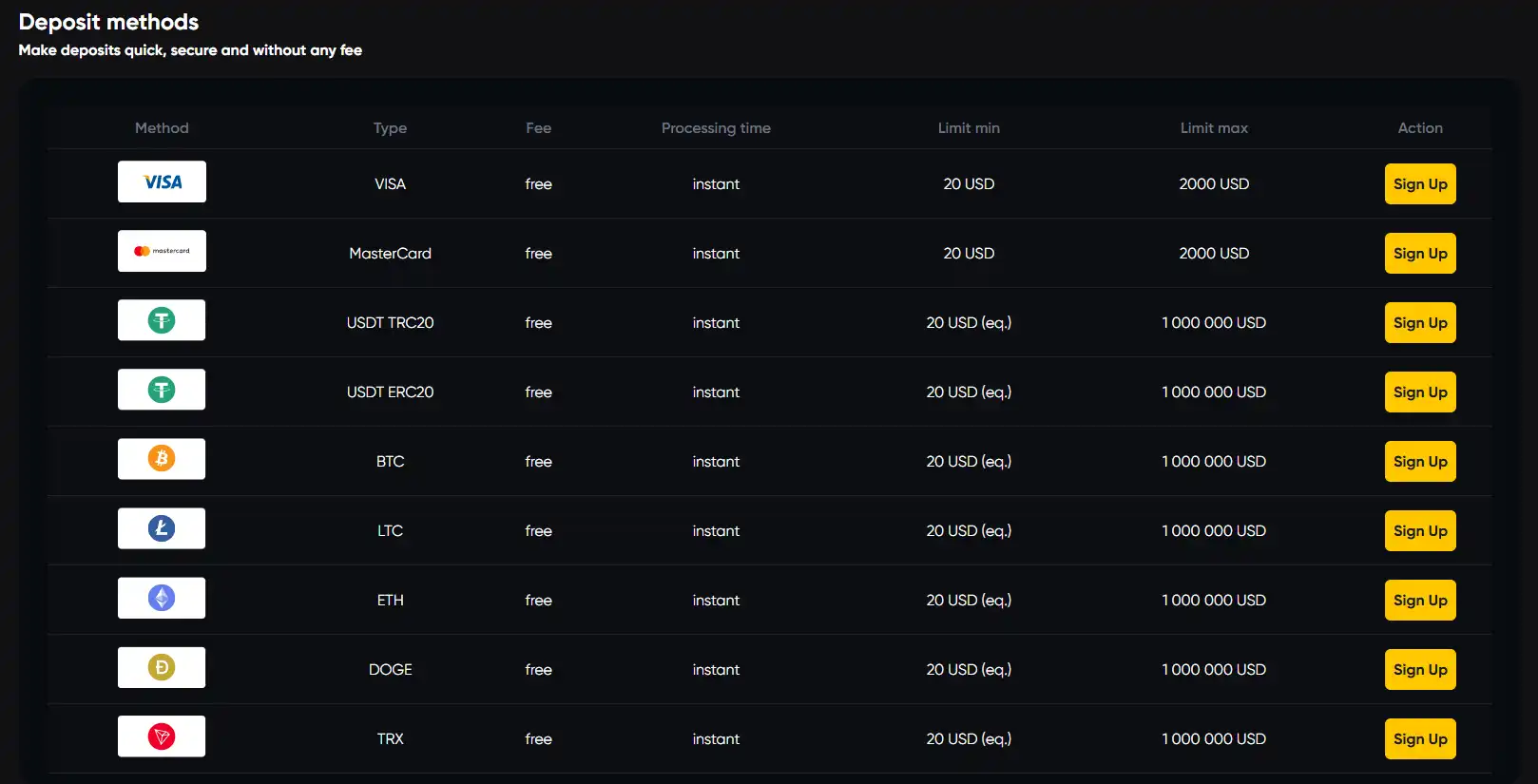
Payment information is often presented as a simple choice of deposit method, but the route in and the route out can operate on different clocks. A specialist review describes Bitcoin (BTC) and Tether (USDT) as widely accepted at casinos marketed to Australians. That is a report about the services it surveyed, not a guarantee that a particular account accepts either currency or will process a transaction in the same way.
Reported as widely accepted with processing often within 24 hours.
Reported processing windows can take between 5–10 business days.
Approval times vary from minutes to 48 hours depending on the account.
The same distinction applies to timing. Specialist reviews report that a casino may process a crypto withdrawal within 24 hours, while a bank transfer can take 5–10 business days. These are reported processing windows, not assured delivery dates. A casino’s own approval stage is separate from the time a payment network or bank takes to complete the transfer. A short headline figure can therefore describe only one part of the journey.
The first withdrawal can bring an additional step: identity checks may be strengthened before the casino approves payment. Specialist reviews describe approval times ranging from minutes to 48 hours, depending on the account and the checks involved. From the operator’s side of the counter, this is where a previously quiet account becomes a file to verify. Documents may be requested, and a pending payment is not necessarily already in transit.
Bonuses can also affect what is available to withdraw. A balance containing promotional credit may remain subject to wagering conditions, and the games played may count differently towards those conditions. Slots are reported as counting fully in some terms, while blackjack and roulette may count only partly or not at all. A sticky bonus is different again: it is play-only credit, removed from the balance when a withdrawal is made. The displayed balance is not always the payable balance.
These mechanics matter because offshore casino transactions do not carry the same local protection as a transaction with an Australian-regulated casino; Australian players have minimal or no protection under Australian consumer law in this setting. Payment availability does not change that position. I treat the stated method, approval window, verification requirements and bonus rules as separate terms, not as one promise of a fast payout.
A delay can begin at several points: account review, casino approval, or the transfer itself. The wording “instant” tends to compress those stages into one claim. The operational detail is less tidy.

RTG Casino Licensing and Withdrawal Delays: What the Labels Leave Out
An RTG logo identifies the game software, not the standards of the casino using it. RTG casinos commonly operate under a Curaçao licence, but that label should not be read as a guarantee that every operator applies the same controls or handles disputes in the same way. Many casinos using RTG software are licensed independently, so their oversight and trustworthiness can differ.
I have seen the distinction blurred in promotional copy: “licensed” is made to sound like a complete assurance. It is not. The licence belongs to the operator, while RTG supplies the games. One says something about the casino’s regulatory arrangement; the other says who developed its software. Neither label, on its own, establishes how reliably a particular withdrawal will be handled.
That difference matters in Australia. Offshore casino transactions have minimal or no protection under Australian consumer law. A foreign licence does not create local recourse, and a complaint may have to go to the regulator in the jurisdiction that issued it. A licensing badge is therefore a description of the operator’s framework, not a substitute for Australian consumer protections.

Withdrawal timing also has separate stages. A pending period is the time a casino holds a withdrawal request before approving or releasing it. Payment processing begins after that stage, so the two clocks should not be treated as one. A specialist review gives 24–48 hours as a standard pending window and treats a longer wait as a red flag. That is a reported benchmark, not a universal service guarantee; the operator’s own written terms and the actual account history still matter.
The distinction is easy to miss when a casino advertises quick payouts. “Fast” may refer to processing after approval, while a request remains pending beforehand. I would read the stated pending policy separately from the payment method’s processing estimate. A short processing claim cannot explain an extended hold inside the casino.
Nor does a familiar software name resolve uncertainty about the operator. Licensing and withdrawal handling are separate checks, and neither should be inferred from a game-provider label. For Australians, even a clear policy does not remove the limited local protection attached to offshore transactions. The label is only a starting point.
Can I play RTG games for free?
Yes. RTG games support demo play without wagering real money.
How do I complain if I’m treated unfairly?
You can typically complain to the casino’s foreign regulator. Offshore casino disputes do not have local Australian legal protection.
What is the legal status of playing at offshore RTG casinos from Australia?
Australian law prohibits online casino operators from offering real-money games to people in Australia. Players are not explicitly criminalised for accessing offshore sites, but those sites are not locally authorised and do not provide Australian legal protection.
Are RTG jackpots progressive?
Yes. Many RTG pokies have progressive jackpots, including Aztec’s Millions.
Written by the editors at Caswino Casino.