







Real-Money Online Casinos in Australia: Legal Guide
 Available in AU
The guide separates offshore access from Australian authorisation and explains how deposits, bonus wagering rules and withdrawals affect play.

- The Legal Boundary Around Real-Money Casinos in Australia
- Playing for Real Money: Deposits, Access and the Fine Print
- Casino Slots and the Cost of a Bonus
- Table Games and Live Dealers: Different Wagering Weight
- Winning Is Not the Same as Withdrawing
- How to Read Claims About Top and Newly Launched Casinos
The Legal Boundary Around Real-Money Casinos in Australia
The legal distinction is between the company providing a casino service and the person using it. Under the Interactive Gambling Act 2001, a company cannot provide real-money interactive casino games to people in Australia from within the country. That prohibition covers casino-style play, not merely the operation of a locally branded website. It is why Australian residents do not have domestically licensed real-money casino sites to choose from.
That boundary is easy to blur in advertising. A site may be described as “available to Australians”; that describes access, not domestic authorisation. Nor does a foreign licence turn an offshore operator into a locally licensed Australian casino. Those are separate questions, and treating them as one creates a misleading impression of protection.
The law’s position on individual players is different. The Interactive Gambling Act does not make an Australian resident a criminal simply for playing at a foreign-licensed casino. In particular, playing at an offshore casino licensed in Curaçao, Malta or Anjouan is not, by itself, an offence for the player under that Act. The restriction is directed at the provision of the service, rather than criminalising the customer for using it.
Choosing a real-money casino in Australia calls for checking the available operator details before deciding where to play. This list highlights the specific licensing, deposit, and payout information provided for each option.
License: Curacao Gaming Control Board OGL/2023/174/0082 (Dama N.V.) SpinsUp is listed with a Curacao Gaming Control Board licence, OGL/2023/174/0082, held by Dama N.V.
License: Curacao (operating since 2017) · Min. deposit: A$20 Uptown Pokies has operated since 2017 and is listed as licensed in Curacao. Its minimum deposit is A$20.
License: Curacao eGaming (Dama N.V.) JeetCity Casino is listed with a Curacao eGaming licence held by Dama N.V.
License: Curacao · Min. deposit: A$20 (POLi) Lucky Dreams is listed as licensed in Curacao. The stated minimum deposit is A$20 via POLi.
License: Curacao – Antillephone N.V. (Versus Odds B.V.) · Min. deposit: EUR 20 Thor Casino is listed with a Curacao licence from Antillephone N.V., with Versus Odds B.V. identified. Its minimum deposit is EUR 20.
License: Curacao Gaming Authority (Jumpman Gaming Ltd) DragonSlots Casino is listed with a Curacao Gaming Authority licence held by Jumpman Gaming Ltd.
Payout speed: crypto 30-120 minutes, fiat 24-72 hours · Min. deposit: A$30 MrPacho lists crypto payouts at 30–120 minutes and fiat payouts at 24–72 hours. Its minimum deposit is A$30.
License: Curacao eGaming OGL/2024/923/0383 (Antillephone N.V.) · Min. deposit: A$30 WinSpirit Casino is listed with a Curacao eGaming licence, OGL/2024/923/0383, from Antillephone N.V. Its minimum deposit is A$30.
License: Curacao Gaming Control Board JustCasino is listed as licensed by the Curacao Gaming Control Board.
License: Curacao Gaming Control Board OGL/2023/176/0095 (Hollycorn N.V.) Rollero Casino is listed with a Curacao Gaming Control Board licence, OGL/2023/176/0095, held by Hollycorn N.V.
That does not amount to a general endorsement of offshore gambling. It is a narrower statement about player liability under a particular law. A foreign licence is not an Australian licence, and the fact that a player is not committing an offence does not mean the operator is authorised to provide casino services in Australia. Two different legal positions can exist at the same time.
I find that distinction matters more than the loose phrase “legal casino.” In ordinary conversation, it can sound as though a single approval settles every issue: the operator’s right to serve the market, the player’s exposure, and the help available if a dispute arises. They do not settle together. The Australian rule concerns the company’s provision of the service; the player’s position under that rule is not the same.
What an offshore licence does not provide
A licence issued outside Australia belongs to the regulator and legal system that issued it. It does not make the platform subject to Australian domestic casino licensing, and protections available through domestic regulators such as the Australian Communications and Media Authority do not apply to offshore platforms.
That matters when something goes wrong. The point is not that every offshore operator will behave badly, or that every complaint will be ignored. It is that Australian domestic regulator protections cannot be assumed to govern the relationship. A licence elsewhere may provide a framework in its own jurisdiction, but it is not a substitute for domestic oversight.


The difference is practical as well as legal. A player may be outside the criminal prohibition while also lacking the domestic regulatory route that might otherwise be expected. “Not an offence for the player” and “protected as a local customer” are not interchangeable claims. The first describes liability under the Act; the second would overstate the position.
There is also a limit to what can be inferred from the word “offshore.” It does not itself establish that a company has a particular licence, that the licence is current, or that the company has permission under Australian law to provide real-money casino games to residents. The legal status of the player and the status of the service need to be kept separate.
Reading the boundary accurately
For someone researching real-money online casino options in Australia, the central context is therefore restrictive: locally licensed real-money casino sites are unavailable, and the Act prohibits companies from providing these services from within Australia. The absence of a player offence does not reverse either point. It only means that the law does not treat the individual player in the same way as the company providing the service.
I would also avoid reading a site’s accessibility as evidence of approval. A page loading, accepting an account, or describing itself as suitable for Australians does not establish Australian authorisation. Accessibility and legality are not synonyms. Nor does the use of a foreign regulator’s name change the source of that regulator’s authority.
The phrase “best real-money online casinos in Australia” can consequently conceal a legal distinction. It may refer to offshore services that accept Australian customers, not to casinos licensed under an Australian domestic regime. That wording should not be taken as proof that such a local licensing category exists. It does not.
Legal Boundary
Under the Interactive Gambling Act 2001, companies cannot provide real-money interactive casino games to people in Australia from within the country.
The careful summary is plain: Australian residents are not criminalised by the Interactive Gambling Act merely for playing at a foreign-licensed offshore casino, while companies face a prohibition on providing real-money interactive casino games to people in Australia from within the country. Domestic regulator protections do not extend to offshore platforms. Those points describe different sides of the same boundary. No local licence. No domestic safety net.
Playing for Real Money: Deposits, Access and the Fine Print
A real-money account has two separate jobs: it records play and it connects that activity to a payment method. The distinction matters. A deposit can appear in the balance before a player has understood the rules governing the balance, while the payment service may impose its own conditions alongside the casino’s. I have seen people treat the cashier screen as a simple menu. It is better understood as the point where several sets of terms meet.

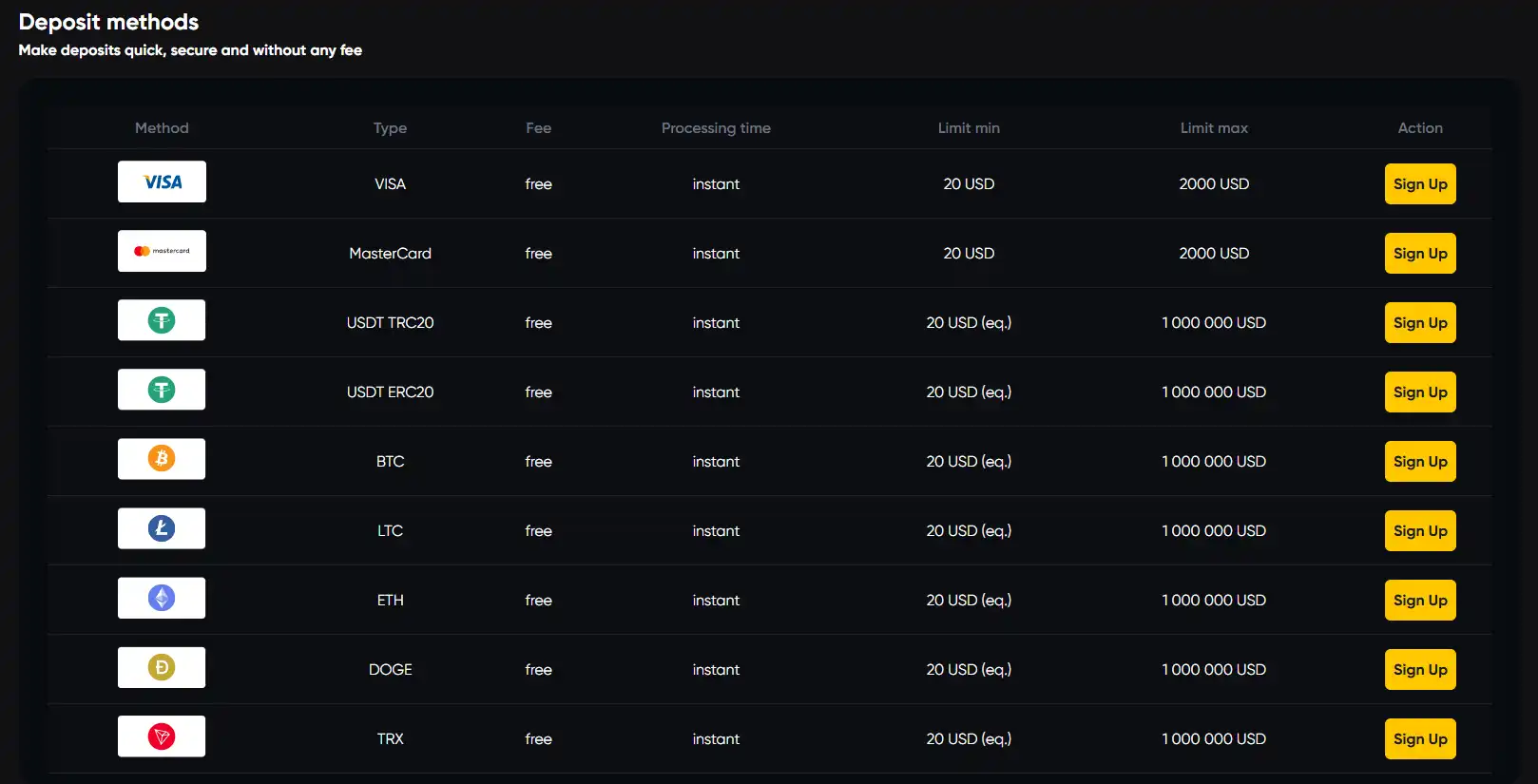
Casino deposits may be made by card, e-wallet or cryptocurrency, depending on what a particular operator accepts. That does not make the methods interchangeable. Each has a different route from the player’s funds to the casino account, and each can have different eligibility rules. A payment option displayed on a site is not a promise that every account, card or transaction will qualify. The cashier’s current instructions and the payment terms are what matter.
There is an important Australian constraint around cards: credit card payments must not be accepted for online gambling services. So a general reference to “cards” should not be read as confirmation that a credit card can be used. Payment labels can be broad, and a card issuer may also decline a transaction for its own reasons. The practical point is to check the specific method shown for the account rather than infer acceptance from a logo or from a general list of payment types.


What happens at deposit
A deposit begins with selecting an available method and entering the requested payment details. The operator then records the transaction against the account. The screen may make this look like one action, but the payment provider, bank or digital asset network can sit between the instruction and the balance update. If the amount does not appear as expected, the first useful distinction is whether the payment has been authorised, is still processing, or has been declined. Those are different states, not different names for the same problem.
The account name and payment details also need to make sense together. Payment providers and operators may ask for information to confirm who controls the account or payment instrument. A mismatch can create friction even when a player believes the deposit itself was successful. In my experience, the most avoidable mistake is to rush through the cashier and only inspect the account details after a transaction has failed or been queried.
A failed deposit is not a reason to keep repeating the same attempt without checking what happened. Repeated instructions can create confusion about which transaction is pending and which one was rejected. The sensible sequence is to check the account history and payment status first, then use the relevant support channel if the result is unclear. That is ordinary payment housekeeping, not a guarantee that a disputed payment will be resolved in a particular way.
Deposit Process
Choose an available payment method and enter the requested payment details.
The operator records the transaction against the account, though payment providers or banks may sit between the instruction and the balance update.
Check the account history and payment status to confirm if the amount has been authorised, is processing, or was declined.
Cryptocurrency adds another layer: the casino account and the digital wallet are separate systems. The account may show a deposit only after the operator recognises the incoming transfer. The wallet’s confirmation process and the operator’s own handling are not the same thing. A displayed wallet address or payment instruction should therefore be treated as transaction-specific. Using an old address or entering the wrong details can turn a routine deposit into a support issue.
Neosurf is for funding, not cashing out
Neosurf vouchers are accepted for deposits only. They cannot be used to withdraw casino funds. That limitation is easy to miss because a voucher can feel like a self-contained payment method: buy it, enter its details, and use the value online. But a deposit route is not automatically a route back. The cashier may accept voucher value when money goes into the account while offering a different process for any later withdrawal.
This is the sort of distinction hidden by a tidy row of payment icons. An icon tells little about what happens in the other direction. Before a deposit, the payment terms should be read for the relevant method, including whether it is deposit-only and what alternative withdrawal methods may be available. A voucher can suit someone who wants to fund an account without entering card details, but it does not remove the need to understand how the account handles funds afterwards.
The same principle applies beyond vouchers. A method available for deposits may not be available for withdrawals, and an operator may require a different payment route for money leaving the account. The deposit screen alone cannot settle that question. What matters is the cashier information and the applicable account terms, read together.


The account, rather than the device
Mobile play is best understood as access to the same casino account from a smaller screen, not as a separate account with separate money. Where a casino’s site supports mobile access, signing in there should be treated as another way of reaching the account, with its existing balance and account settings. A phone does not change the underlying payment method or make a deposit method available when it was not available on desktop.
That distinction is useful because mobile interfaces often compress information. A button may be prominent while the longer payment conditions sit behind a link or in a separate terms page. I have found that a clean screen can create a misleading sense of simplicity: the action is easy to find, but the condition governing it may take more effort to locate. Before confirming a transaction on a phone, the full payment description and any linked terms should be readable, not merely visible in part.
Mobile access should not be confused with a claim that a dedicated application exists or is necessary. Availability depends on the operator’s own service. If access is through a browser, the account remains the reference point; if an operator offers another access route, its terms still govern the account. The device changes the interface, not the substance of the payment arrangement.
A secure connection and careful handling of login details matter on any device. Payment details should not be entered through a link whose destination is uncertain, and account credentials should not be shared. These are basic controls, but they are especially easy to neglect when a phone has stored passwords or payment information and the transaction appears to take only a moment.
- Use a secure connection for all transactions
- Keep login and payment details private
- Read full payment descriptions and linked terms on mobile
- Share account credentials with others
- Enter payment details through uncertain links
- Assume mobile interfaces show all governing conditions
Read the cashier as part of the terms
The cashier is not merely a convenience feature. It is where the operator states which payment routes are currently available and where differences between deposits and withdrawals may become visible. The account’s terms and conditions may add further rules. Those rules can change, so an old screenshot, a saved note or a payment method used previously is not a reliable substitute for the information shown at the time of a transaction.
I approach a deposit as a decision with three checks: what method is actually accepted, whether it is suitable for the intended direction of payment, and what the account terms say about using it. The first check prevents assumptions based on generic payment labels. The second catches deposit-only methods such as Neosurf. The third covers conditions that a button cannot explain on its own.
Promotional balances add their own terms, but those belong to the offer rather than the payment rail. A deposit method does not erase promotion conditions, and a payment confirmation does not mean every part of an account balance is immediately available for withdrawal. The full terms should be understood before play begins, particularly where an offer is active. That is not fine print in the trivial sense. It is the operating rule.
In practice, the least complicated payment choice is not necessarily the one with the fewest taps. It is the method whose limitations are clear before funds are sent. A voucher that cannot be used for withdrawals, a card label that does not mean credit-card acceptance, or a mobile screen that hides a longer condition can all lead to the same avoidable surprise: the deposit worked, but the player expected it to do something else. Simple distinction. Different direction.


Casino Slots and the Cost of a Bonus
A slot bonus is not simply extra money added to a balance. It is a conditional credit, and the wagering requirement determines how much must be bet against it before winnings can be withdrawn. That distinction is easy to miss in a banner promising a “match” or “bonus”: the headline describes what is credited, not what it takes to clear the conditions.
A specialist review of pokies bonuses reports wagering requirements commonly set at 30x–45x the bonus amount. That range is a snapshot reported by that type of source, not a fixed rule across every casino or promotion. The individual offer’s terms decide what applies. The multiplier is only one part of the calculation; the qualifying games, maximum bet and any other promotion rules matter too.
Slots are often the most straightforward game type to assess against wagering because they generally contribute fully. If a promotion counts slot bets at full value, the amount wagered on eligible spins reduces the remaining requirement in line with the bet amount. That is different from a game that contributes only a fraction, where the same stake makes less progress. The simple contribution rate can make slots look like the obvious route through a bonus. It does not make the bonus automatically worthwhile.
Wagering Requirements
A specialist review of pokies bonuses reports wagering requirements commonly set at 30x–45x the bonus amount.
The key is to distinguish the bonus amount from the total money that may be tied up in the promotion. A requirement calculated on the bonus alone is not the same as one calculated on the deposit plus bonus. The latter can leave a larger wagering task attached to the offer. A specialist review has also described a 60x deposit-plus-bonus requirement as capable of locking up funds. That is a source-specific example, not a universal threshold or a claim about every current promotion.
The wording of the terms matters in practical ways. A promotion may exclude certain games, set a maximum permitted bet while wagering, or specify which slots count. A slot that appears in the casino lobby is not necessarily eligible for every offer. Nor does a full contribution rate override other conditions. Exceeding the stated maximum bet or using excluded games can void bonus winnings, so the headline multiplier cannot be read in isolation.
From the operator’s side, these conditions define the cost and exposure of a promotion. The bonus is designed to encourage play, while the wagering rules govern when promotional funds and related winnings become withdrawable. That explains why the terms can be more consequential than the offer’s advertised size. “Easy to clear” is a sales phrase; the actual test is whether the eligible play, contribution rate and restrictions fit together.
A practical comparison of real-money casino slots should therefore start with the bonus terms, not the number of titles in the lobby. Check whether wagering applies to the bonus alone or to the combined deposit and bonus, whether slots count fully, and whether the promotion imposes a maximum bet or excludes games. The important details are usually in the promotion rules, not the banner.

There is also a timing consequence. An active bonus with unfinished wagering can prevent a withdrawal from being accepted. Attempting to withdraw before clearing the requirement may lead to the request being declined or the bonus and associated winnings being forfeited. The balance can look available while still being subject to conditions. That is the part many promotions leave in smaller print.
For online pokies played for real money, full slot contribution is useful only when the rest of the terms are understood. The multiplier shows the scale of the task; the calculation basis and restrictions show what the task actually means. Read the full terms before activating an offer, and keep bets within its stated maximum while wagering. A larger headline bonus can carry a larger obligation. No free money.
Table Games and Live Dealers: Different Wagering Weight
A bonus balance can look like ordinary playable money, but its withdrawal conditions often depend on what is played as well as how much is wagered. The key term is game weighting: the percentage of each qualifying stake that counts towards the wagering requirement. A table-game bet and a slot bet of the same size may therefore move the requirement forward by very different amounts.
A specialist casino review identifies wagering, game weighting and maximum-bet rules as conditions attached to bonus offers. In practice, those rules work together. The wagering requirement sets the target; the game contribution determines how quickly eligible play reduces it; and a maximum-bet rule can restrict the size of a stake while the bonus is active. Treating a bonus as one unrestricted pool of cash misses the structure.
Generally contribute fully (100%) towards wagering requirements.
Typically contribute between 10–20% towards wagering requirements.
Often contribute between 0–10% towards wagering requirements.
Why table games count differently
Table games typically contribute 10–20% towards wagering requirements. That means only a portion of a qualifying stake is credited towards clearing the requirement. The rest does not advance it. The exact contribution is set by the offer terms, so the category label alone is not enough to tell how a particular game will count.
This lower weighting changes the practical cost of playing. A player can make repeated table-game bets and still see the wagering balance fall slowly, because the casino credits only a fraction of each stake. The visible balance may move; the requirement may barely shift. That gap is where confusion starts.
I have always read game weighting as a bookkeeping rule, not a quality rating. A low contribution does not mean a table game is defective or that the casino is withholding a win. It means the promotion assigns less qualifying value to that activity. The distinction matters because a bonus can make the same game feel more useful than it is for clearing conditions.
Live dealers carry a separate weighting
Live-dealer games often contribute 0–10% towards wagering requirements, a lower range than the typical contribution for table games overall. Live-table play also contributes less than slots. A player moving from slots to a live dealer table may therefore find that wagering progress slows sharply, even when the amount staked remains similar.
That difference is easy to miss in a game lobby. The format may resemble a familiar table game, but the bonus system can classify live play separately from other table games. The relevant question is not just whether the game is a table game; it is whether the offer’s terms place that specific format in a different weighting category.

At the bottom of the live-dealer range, a game may contribute nothing towards the requirement. In that case, play can use funds without helping clear the bonus conditions. This is why a general impression that “all casino games count” is unsafe. Some count partially; some may not count at all.
Reading the terms as mechanics
The useful part of the bonus terms is usually the game-contribution table or the wording that identifies excluded categories. It should be read alongside the wagering requirement and maximum-bet restriction, rather than as a footnote after the promotional headline. If the wording groups games broadly, the treatment of live tables may still be stated separately.
A simple way to understand the calculation is to separate the stake from its credited contribution. With slots, stakes generally count fully towards wagering; table-game stakes may count only in part, and live-dealer stakes can count less again. The actual amount of progress depends on the stated weighting. No single headline multiplier explains that on its own.
This also explains why bonus play can feel slower than expected without any change to the displayed balance. The player may be wagering, but the casino’s qualifying meter is applying the category percentage. What matters is not merely the money put through a game, but the amount the terms recognise as eligible progress.
There is a second constraint: the maximum bet while wagering. A larger stake does not necessarily make the process more efficient if it breaches that rule. Bonus conditions can make winnings void when the maximum is exceeded or excluded games are used. The terms govern the calculation, not the player’s assumption about what should count.
Attention: Exceeding the stated maximum bet or using excluded games can void bonus winnings.
The practical distinction
For real-money casino games played with an active promotion, slots and table formats should not be treated as interchangeable. Slots generally contribute fully; table games usually count at a reduced rate; live-dealer games can count at a still lower rate or not at all. That hierarchy is the central difference.
I would not judge a bonus by its headline alone. The game weighting tells whether the offer fits the intended style of play, while the maximum-bet rule tells how much freedom remains during wagering. Both conditions affect whether a balance can become withdrawable. Fine print, not the lobby.
Winning Is Not the Same as Withdrawing
A displayed win is a balance entry, not cleared money. Between the two sit the casino’s approval process, identity checks and the payment network. I have seen these stages blurred together in “instant payout” language. The phrase usually describes only one part of the journey, not the whole sequence.
Verification is a frequent point of delay. A specialist review identifies an incomplete account check as the most common reason a withdrawal is held. That fits the way the process works: the operator must match the account to its holder before releasing funds, and a missing or unclear document can send the request back for review. Government-issued identification and proof of address may be requested when a withdrawal passes the operator’s stated threshold. The threshold and document rules are set out in the account terms.
The practical order matters. Identity verification is required before a first withdrawal can be processed, so completing it before submitting a cash-out request reduces the chance of a preventable hold. A request can still take time after the documents are accepted; approval by the casino and arrival through the payment service are separate steps.

Payment method affects the final leg. Once an operator sends a PayID transfer, it reaches the player’s bank almost immediately. A cryptocurrency payout has another visible milestone: the casino releases it first, then the blockchain records confirmation. A specialist review describes that confirmation as usually arriving within an hour, but that is an account of reported processing, not a promise that every transaction will follow the same pattern. The casino’s release and the network’s confirmation should not be treated as the same event.
There is another reason a balance may not be withdrawable yet: an active promotion. If its wagering conditions remain incomplete, a withdrawal request may be declined, or the bonus and associated winnings may be forfeited. The terms can also set a maximum bet during wagering and exclude certain games. Exceeding the stated bet cap or using an excluded game can void bonus winnings. “Bonus funds” are conditional funds.
I treat a pending request as a process with checkpoints, rather than proof that money is already on its way. The account status, requested documents, promotion conditions and chosen payout route each affect what happens next. Reviewing the full terms in Account – Promotions before play matters particularly where the wagering conditions are unconventional. A win can be real on the screen and still not be ready for withdrawal. The distinction is operational, not cosmetic.
How to Read Claims About Top and Newly Launched Casinos
“Top” is a label, not a regulatory status. In the Australian market, it can describe an editorial selection, a commercial placement or an operator’s own presentation. Those meanings are not interchangeable. A prominent position may tell more about how a page is organised than about the quality or standing of the casino.
Ranking Labels
Terms like “top” or “new” are marketing shorthand and do not establish regulatory status or official endorsement.
I have seen rankings treated as if the order itself were evidence. It is not. A useful comparison explains what its criteria mean and applies them consistently. If the explanation is missing, the word “top” carries little information: it does not establish that an operator is safer, more reliable or better suited to Aussie gamblers. A ranking is a judgement, not an official endorsement.
The market context matters. Most online casinos that accept Australian players are registered in Curaçao. That prevalence helps explain why the jurisdiction appears so often in descriptions of offshore operators, but it does not make every site equivalent. Nor does registration there mean that an operator holds Australian authorisation. A foreign licence and local regulatory approval are different things.
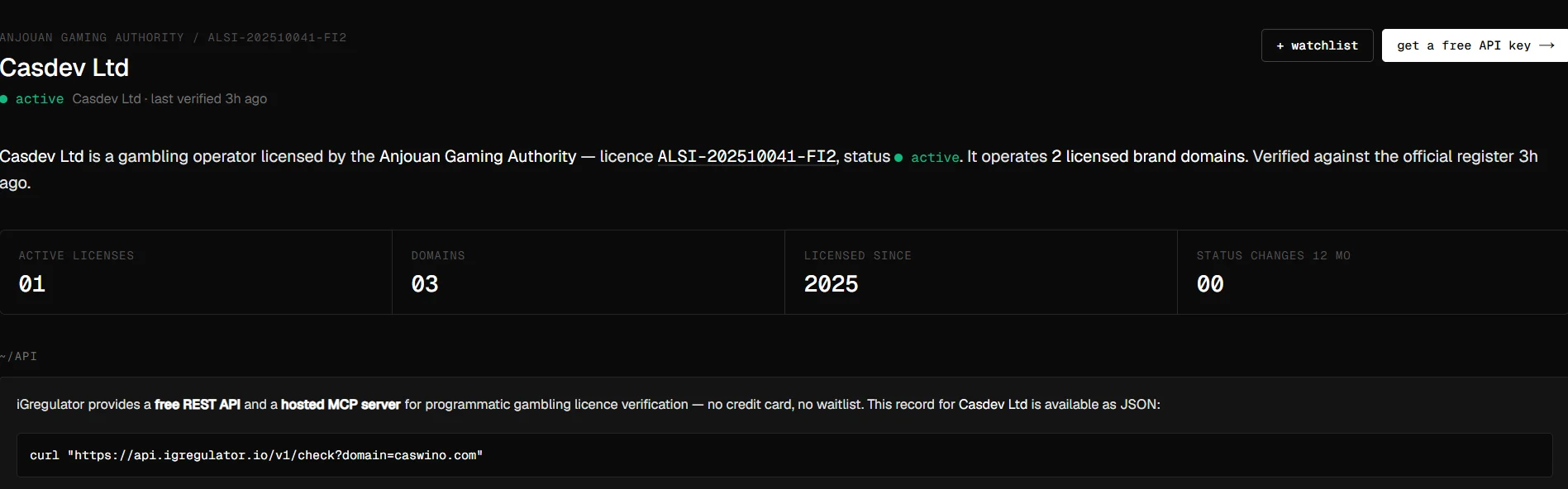
The distinction is important because a licence claim can sound more conclusive than it is. A licence identifies an asserted regulatory relationship; it does not, by itself, tell the reader how a particular dispute would be handled, what protections are available locally, or whether the operator’s marketing claims are fair. The Australian regulatory framework does not extend its domestic player protections to offshore platforms. The label “licensed” should therefore be read with its jurisdiction attached, not as a general seal of approval.

A specialist review has reported that the four casinos in its selection hold active licences from recognised offshore authorities. That is a claim about the operators covered by that review, not a permanent description of the wider market. Licensing status can change, and a statement tied to a particular selection should not be stretched into a guarantee about other casinos or a standing market-wide rule. The source type matters: an editorial review is not the regulator itself.
The same care applies to claims about a newly launched casino. “New” may refer to a recently opened website, a new name or presentation, or a recent arrival in a particular reviewer’s coverage. Those are not necessarily the same event. The word does not establish that the underlying business, ownership or regulatory arrangement is new. Without a clear explanation of what has changed, it is a freshness claim with an uncertain reference point.

There is another practical reason not to overvalue novelty. A new presentation may leave unanswered questions about how the operator handles ordinary account and service issues over time. That is not proof of a problem; it is simply a limit on what a launch announcement can demonstrate. Newness describes timing, not quality. A polished opening page is still a sales surface.
When reading a “top” or “new” claim, the most revealing detail is often the method behind it. Does the page explain why one operator appears ahead of another? Does it distinguish a foreign licence from Australian authorisation? Does it disclose that its licence statement comes from a specialist review, rather than implying an official confirmation? If those distinctions disappear, the wording is doing more work than the evidence.
I have learned to separate three things that promotional language tends to blend: visibility, licensing and performance. Visibility means a site has been featured prominently. Licensing refers to a stated relationship with an authority in a particular jurisdiction. Performance would require evidence about how the operator actually behaves. One does not prove the next.
That separation also keeps a “best” label in proportion. A casino can be described as a leading option by one publisher and absent from another’s selection without either description settling the matter. The underlying criteria may differ, and commercial arrangements may influence presentation. The label alone cannot show which is the case. The explanation has to carry the claim.
For Aussie punters, the safest reading is literal rather than promotional: “top” means somebody has ranked or featured the operator; “new” means somebody is describing it as recent, according to an unstated or stated reference point. Neither word changes the legal status of offshore casino services in Australia. Neither turns a foreign licence into domestic oversight.
Marketing shorthand. No more.
What types of games are available?
The game types discussed include slots, table games, live-dealer games and instant-win games. Their contribution to bonus wagering requirements can differ.
How long does the casino take to pay out?
Payout times depend on the payment method and whether the account is verified. Crypto payouts can be released before blockchain confirmation, which usually arrives within an hour; PayID transfers reach a bank almost immediately after the operator sends them, while bank transfers averaged 3.2 business days in testing.
Which payment methods can Australians use?
Depending on the casino, deposits may be made by card, e-wallet or cryptocurrency; Neosurf is for deposits only. PayID, bank transfers and cryptocurrency are among the payout methods described.
Published by the Caswino Casino team.