







Online Pokies E-Wallets in Australia: Payment Guide
 Available in AU
E-wallets route deposits and withdrawals, but casino processing happens before a withdrawal reaches the wallet.

- How E-Wallets Fit Into the Pokies Payment Cycle
- Real-Money Play, Account Access and the Australian Legal Position
- Australian Availability: Offshore Licensing and Access Risks
- AUD Deposits and Withdrawals: Timing, Blocks and Method Limits
- Trying a New Pokies Site: Start With Mobile Performance
- Casino Apps, PWAs and Browser Play: What the Formats Actually Mean
- No-Deposit Bonus Terms: The Conditions Behind the Offer
How E-Wallets Fit Into the Pokies Payment Cycle
An e-wallet sits between a casino account and a punter’s other payment arrangements. It is not the casino balance itself. A deposit moves from the wallet into the account; a withdrawal moves in the opposite direction, but only after the casino has reviewed and released it. That distinction matters: the wallet transfer is only one stage of the payment cycle.
MiFinity, Skrill and Neteller are examples of e-wallets used for both deposits and withdrawals. Their role is straightforward, but the overall process is not always a single, immediate transaction. A deposit may be credited after the payment is authorised, while a withdrawal can remain inside the casino’s process before the wallet receives anything. The payment method does not control that first stage.
I used to treat a withdrawal screen showing “pending” as though the money were already travelling. It was not. The casino still had to complete its own handling of the request. Only after that step could the e-wallet transfer begin. Two clocks, not one.
Choosing an e-wallet option for online pokies in Australia means checking the practical details that are available before deciding where to play. This list highlights each operator using only the supplied information.
License: Curacao Gaming Control Board OGL/2023/174/0082 (Dama N.V.) SpinsUp is listed with a Curacao Gaming Control Board licence, OGL/2023/174/0082, held by Dama N.V.
License: Curacao (operating since 2017) · Min. deposit: A$20 Uptown Pokies has operated since 2017 and lists a minimum deposit of A$20. Its stated licensing jurisdiction is Curacao.
License: Curacao eGaming (Dama N.V.) JeetCity Casino is listed with a Curacao eGaming licence held by Dama N.V.
License: Curacao · Min. deposit: A$20 (POLi) Lucky Dreams lists a minimum deposit of A$20 via POLi and identifies Curacao as its licensing jurisdiction.
License: Curacao – Antillephone N.V. (Versus Odds B.V.) · Min. deposit: EUR 20 Thor Casino is listed with a Curacao licence from Antillephone N.V., with Versus Odds B.V. identified. Its minimum deposit is EUR 20.
License: Curacao Gaming Authority (Jumpman Gaming Ltd) DragonSlots Casino is listed with a Curacao Gaming Authority licence held by Jumpman Gaming Ltd.
Payout speed: crypto 30-120 minutes, fiat 24-72 hours · Min. deposit: A$30 MrPacho lists a minimum deposit of A$30. Its stated payout times are 30–120 minutes for crypto and 24–72 hours for fiat.
License: Curacao eGaming OGL/2024/923/0383 (Antillephone N.V.) · Min. deposit: A$30 WinSpirit Casino lists a minimum deposit of A$30 and a Curacao eGaming licence, OGL/2024/923/0383, from Antillephone N.V.
License: Curacao Gaming Control Board JustCasino is listed with a Curacao Gaming Control Board licence.
License: Curacao Gaming Control Board OGL/2023/176/0095 (Hollycorn N.V.) Rollero Casino is listed with a Curacao Gaming Control Board licence, OGL/2023/176/0095, held by Hollycorn N.V.
Deposits: the wallet is the payment route
For a deposit, the e-wallet is the route used to send funds to the casino account. The casino’s cashier may show the transaction as complete once it has accepted the payment, but that status refers to the deposit being credited there; it does not mean the wallet and casino are the same account or that funds can be moved freely between them.
This separation is useful to understand when checking a transaction history. The wallet records the outgoing payment, and the casino account records the incoming deposit. If the entries do not appear at the same moment, their status labels can help identify which side has processed the transaction. A payment marked as authorised by the wallet is not, by itself, proof that the casino has finished every step of its own accounting.
The wording in a cashier can make this sound more seamless than it is. “Instant” describes a particular stage, not necessarily the entire relationship between payment, account credit and later withdrawal. I learned to read the transaction status as a record of which party has acted, rather than as a promise about what will happen next.
Withdrawals: release comes before receipt
A withdrawal reverses the direction, but adds a decision point. The casino must process the request before the e-wallet can receive it. Any pending period belongs to the casino’s side of the transaction; it should not be confused with the time taken for the wallet transfer after release.
A specialist review reports that e-wallet withdrawals may arrive within 24 hours after the casino’s pending period. That is a reported timing, not a guarantee for every account or transaction. The practical point is the sequence: a short transfer stage cannot make a longer casino review disappear. A request can still be pending even when the wallet itself is capable of handling transfers quickly.
That is why a withdrawal estimate needs to be read as a chain of stages, not as one number detached from its conditions. The casino’s stated processing status, the method selected and the wallet’s receipt are separate parts of the trail. “Fast payout” is advertising language unless it says which clock it means.

The deposit method may shape the payout route
A casino’s payment rules can link the incoming and outgoing sides. A specialist review notes that some casinos require a withdrawal to return through the same method used for the deposit, while some payment methods are available for deposits only. This is not a universal rule, so the cashier’s terms matter more than an assumption that every wallet works in both directions.
The restriction can affect the apparent choice of payout method. A wallet may be visible in the deposit menu without being available as a withdrawal destination, or the casino may require the original route to be used. That is a matter of the casino’s own payment setup, not a feature that can be inferred merely from the wallet’s name.
I have seen the “same method” rule described as a routine security measure. That may explain why a casino uses it, but it does not tell a punter whether it applies to a particular transaction. The rule needs to be checked before treating a deposit route as a confirmed withdrawal route. Small print, large consequences.
Attention: A deposit route is not a guaranteed withdrawal route; always check the casino’s cashier terms to see if the same method must be used for payouts.
Limits affect the amount, not the transfer clock
Processing time is only one part of the payment cycle. Some casinos also set weekly or monthly withdrawal limits. A specialist review places reported weekly limits in the $4,000–$10,000 range, but that is an account-policy detail to verify with the individual casino, not a fixed feature of e-wallets.
A limit can change how much is released in a given period without changing how the e-wallet itself works. It is therefore possible for a transfer method to be available while a casino’s own rules constrain the amount or timing of a payout. The distinction is easy to miss when all stages appear on one cashier page.
In practical terms, the e-wallet handles the movement of funds between payment accounts; the casino controls its own processing, eligibility and payout rules. Keeping those functions separate makes the timeline easier to interpret. An e-wallet can simplify the payment route, but it cannot determine when the casino releases a withdrawal, override a method restriction or remove a withdrawal limit.
Real-Money Play, Account Access and the Australian Legal Position
The legal distinction is between the operator providing a service and an individual accessing it. Under the Interactive Gambling Act 2001, an operator must not offer online casino-style games to people in Australia. That prohibition covers real-money services, including pokies and table games. It is directed at the provision of the service; it does not make an individual punter’s play at an offshore casino an offence under that Act.
Those two points are easy to blur in account screens and promotional language. A login may work, and an account may accept a registration, but neither fact changes the operator’s legal position in Australia. Access is not the same as local authorisation. I have always treated those as separate questions: what the law says about the service, and what it says about the person using it.

This distinction matters when the search is for real-money pokies with an e-wallet login. The payment method does not alter the legal character of the underlying activity. An e-wallet is an account-access and payment facility; it does not turn a prohibited service into a permitted one. Nor does being able to sign in establish that an operator is entitled to offer casino games to people located in Australia.
Registration and age
A person must be at least 18 to register and gamble in Australia. Age is therefore a threshold condition, not a detail to resolve after an account has been opened. Registration information is also tied to later account checks: if details supplied at sign-up do not match the evidence requested when a withdrawal is processed, the account can become difficult to verify.
That is one reason account access should not be read as a simple matter of entering a username and password. The login opens the account interface; it does not settle identity, eligibility or the legal status of the service. In practice, the account has a second stage: verification.
For a first withdrawal, casinos commonly request identity checks, often called KYC. Those checks can involve a government-issued identity document or selfie and evidence of the account holder’s address. The purpose is to establish that the person using the account is the person named on it. It is a procedural requirement, but it can also affect when a withdrawal is released. Account access and verified account ownership are not interchangeable. A successful login proves only that credentials were accepted.
Successful login only proves that credentials were accepted; it does not settle identity, eligibility, or the legal status of the service.
Controls and account use
Gambling controls are another part of account management, though their availability and presentation depend on the operator. A specialist review describes options such as setting deposit or loss limits, restricting wagering, placing time limits on sessions, and choosing self-exclusion. These controls operate in different ways: some set boundaries on money or activity, while self-exclusion is intended to stop access for a chosen period or longer. The label alone is not enough; the account terms explain how a control takes effect.
The practical distinction is between a control that can be adjusted and one intended to interrupt access. Limits may be designed to constrain activity within the account, while self-exclusion is a more substantial restriction. A login routine can make account use feel automatic, so controls are most meaningful when understood before they are needed, rather than treated as a menu item discovered during a problem.
“Responsible” is a useful word in an account menu, but the mechanics matter more than the label. What can be limited, how a restriction is applied and whether it can be reversed are the details that determine its effect. I have seen account language make a setting sound stronger than its actual operation. Read the control as a process, not as a promise.
The limits of an account
An account being open does not provide the protections of an Australian-licensed online casino market. Offshore crypto-friendly casinos sit outside that local framework, and there is no Australian government body for a punter to complain to if an offshore operator refuses to pay winnings. That is a material difference from the narrow question of whether the individual is liable under the Interactive Gambling Act 2001.

Before depositing, the site’s terms should confirm that it accepts the punter’s location. A login page or successful registration is not reliable proof of that eligibility. Nor is a VPN a safe workaround for a block: attempting to get around access restrictions may lead to winnings being voided and the account being closed. The apparent convenience of access can end at the verification stage.
The distinction is plain, even if account interfaces make it less so: the Act prohibits operators from supplying online casino-style games to people in Australia, while it does not make individual offshore play an offence under that Act. Age, identity checks and account controls govern different parts of the experience; none removes the operator-side prohibition. Separate issues.
Australian Availability: Offshore Licensing and Access Risks
E-wallet payment options do not make a casino Australian. A site may accept an e-wallet account held by someone in Australia while operating offshore, under a licence issued elsewhere. That distinction matters: the payment channel describes how money moves; it does not establish that the operator is authorised to provide online casino games to people in Australia.
In my experience, the phrase “available to Australians” can conceal several different things. A site may load from an Australian connection, display Australian currency or list an e-wallet, yet still have terms that exclude residents of particular locations. Technical access is not proof of eligibility. Location rules are set by the operator and can change, so the site’s current terms need to be checked before any account is funded. A payment option appearing on a cashier page does not settle the question.
Access Risks
Using a VPN to bypass ACMA blocks can lead to winnings being voided and the account being closed.
Casinos accepting Australian players commonly point to licensing jurisdictions such as Curaçao, Malta or Gibraltar. Those names identify where a licence is associated with the operator; they do not amount to an Australian licence or remove the restrictions that apply to services offered in Australia. Nor does the presence of a jurisdiction name, by itself, explain how a particular dispute will be handled. The practical point is narrower: a licence issued outside Australia belongs to a different regulatory setting, and Australian punters should not treat it as local authorisation or local recourse.
“Licensed” is a label, not a complete answer. The operator’s terms, the named licensing jurisdiction and the country from which the service is accessed are separate parts of the picture. A site can present its licence information prominently while leaving location exclusions in terms and conditions. I have seen how those details matter most when a problem arises, not when a page is being browsed. Read the location rules before a deposit, rather than relying on a banner, a payment logo or a search result.
Access itself is also not guaranteed. The Australian Communications and Media Authority, or ACMA, actively blocks access to illegal gambling sites. A blocked page may therefore be a regulatory access restriction, not merely a temporary site fault or a problem with an e-wallet. Repeatedly trying alternate routes does not change the status of the service.
A virtual private network should not be used to get around an ACMA block or disguise a location. Doing so can conflict with an operator’s location rules and may lead to an account being closed or winnings being voided. It can also leave a mismatch between the apparent location and the documents later supplied for account checks. That is a poor foundation for any payment dispute. A workaround is not permission.

There is a more basic limit to consider: if an offshore casino refuses to pay winnings, there is no Australian government body that can hear a complaint and compel that operator to pay. The operator is outside the Australian casino licensing framework, and a foreign licence does not create an Australian complaints office. That does not mean every dispute will end the same way; it means local government recourse should not be assumed. The uncomfortable part is the gap between being able to reach a website and having an effective local remedy.
This is why an “e-wallet pokies” listing is not a reliable guide to Australian access. It may tell little more than which payment brands a site displays. It cannot establish that the site currently accepts an Australian location, that its terms allow a particular account, or that a withdrawal dispute will have a local resolution path. Some offshore crypto-friendly casinos may also show e-wallets alongside other payment methods, but the mix does not make them locally regulated or safer by itself. Payment choice and operator accountability are different questions.
For a punter assessing an offshore site, the decision point comes before depositing: confirm that the operator explicitly accepts the location, identify the jurisdiction named in its licensing information, and understand what happens if access is blocked or a payout is disputed. If the terms are unclear, the uncertainty is itself material. An Australian-facing page, a familiar wallet logo and a licence badge do not erase it.
No local backstop.
AUD Deposits and Withdrawals: Timing, Blocks and Method Limits
An Australian-dollar payment can involve more than the time shown beside a method. A deposit may be delayed or rejected before it reaches an account, while a withdrawal can depend on the casino’s approval process and the route used to send the funds. Those stages matter more than a headline such as “instant”, which may describe only one part of the transaction.

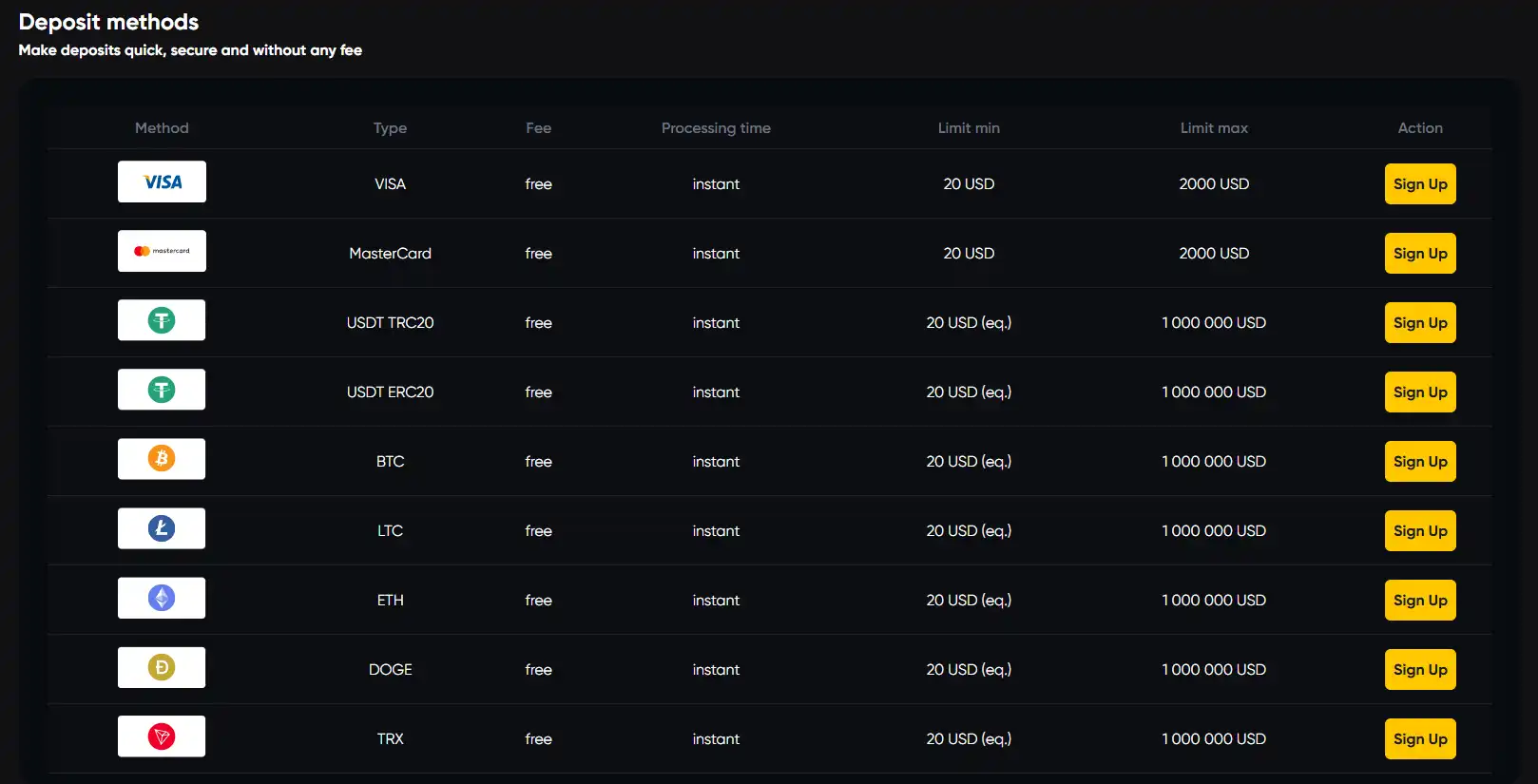
Payment options vary between operators. A specialist review lists PayID, POLi, BPAY, cards and cryptocurrency among methods that may be offered for mobile deposits, with processing times differing by method and site. That is a description of reported availability, not a guarantee that a particular casino accepts every option or that a method will work with every Australian bank. The cashier’s current terms are the practical reference point.
PayID is described as near-instant for deposits and typically free in a specialist review. Those claims should be treated as the review’s account, rather than a fixed condition across all operators and banks. A payment can still fail or take longer if the details do not match, the operator does not support that route, or a bank applies its own checks. The word “instant” has a narrow meaning. It does not settle every step around a transaction.
POLi is different: it ceased Australian operations in September 2023 and no longer processes local transactions. A payment page that still displays POLi may be outdated, or the reference may relate to a market where the service remains available. For Australian punters, it is not a usable local route. That date matters. Old payment lists persist.
Card deposits can be less predictable. A specialist review reports that some Australian banks block or flag gambling-related card charges, which can cause a deposit to fail. A decline does not necessarily mean the casino rejected the account or that the funds have disappeared; the bank or payment processor may have stopped the charge. The source of a failed payment is not always visible in the casino cashier, so the transaction status and bank account need to be checked before attempting another payment.

Repeated attempts can make the record harder to interpret, especially if one transaction is still pending. The useful distinction is between a payment that was declined, one that is awaiting confirmation, and one that has been accepted by the casino. Those are not interchangeable statuses. A cashier’s label may describe the operator’s side of the process rather than the bank’s final settlement.
Withdrawal timing is a separate issue from deposit speed. A bank transfer can take as long as five business days, according to a specialist review. That estimate concerns the transfer route; it should not be read as a promise that casino approval will be completed within the same period. A withdrawal may have to pass the operator’s own review before the bank stage begins, so a displayed processing time can exclude earlier handling.
This distinction is easy to miss in payment descriptions. “Processed” may mean that the casino has released a withdrawal, not that the funds have arrived in the account. Conversely, a transfer taking longer than a deposit does not necessarily signal a problem: the two directions can use different procedures and timelines. Check whether a stated estimate refers to casino handling, the payment network, or the complete journey.
Before depositing, the method terms should be checked for currency, fees, availability and withdrawal eligibility. Some casinos impose method-specific rules, and an option visible for deposits may not be available for withdrawals. A specialist review reports that this can happen, but the cashier’s own terms determine the conditions for an individual account. Confirm the site accepts the punter’s location before sending funds; do not use a VPN to bypass a block, as that may void winnings and lead to account closure.
- Check the cashier’s current terms
- Verify the site explicitly accepts your location
- Confirm withdrawal eligibility for your method
- Use a VPN to bypass access blocks
- Assume a deposit method allows withdrawals
- Rely on outdated payment lists like POLi
These payment details do not change the Australian legal position: real-money online casino services are prohibited for operators serving people in Australia. Any site encountered in this context is offshore, and there is no Australian government body to complain to if an offshore casino refuses to pay winnings. A payment route is not a safeguard against that risk. No shortcut.
Trying a New Pokies Site: Start With Mobile Performance
A new site can look polished in a desktop preview and still be awkward on a phone. I would assess the mobile experience before treating it as dependable: can the pages load, remain readable and respond consistently during ordinary use? That is a technical check, not a verdict on whether the operator is trustworthy or suitable.
On a small screen, friction shows up quickly. A menu that is hard to open, text that needs constant zooming, or a page that stops responding can make even basic account navigation difficult. The point is not to demand a particular design style. It is to see whether the site remains usable without repeated workarounds.
I have found it useful to separate a site problem from a device or connection problem before drawing conclusions. A blank page, stalled loading indicator or frozen control may look like an operator fault, but mobile performance has several possible causes. A specialist review identifies a weak connection, limited device memory, an outdated browser and too many apps running in the background as common sources of trouble. Those are worth checking before deciding what the failure means.
Check the connection before the page
A mobile connection can fluctuate, especially when moving between locations or network types. When a page is slow or incomplete, the first useful test is whether other ordinary websites load reliably at the same time. If they also struggle, the site alone may not explain the problem. If other pages work while this one repeatedly fails, that is a different observation, though it still does not establish the cause.
A connection that drops briefly can leave a page only partly loaded. Buttons may appear before the rest of the content, or the layout may not settle as expected. Repeating the same action immediately can make it harder to tell whether the first request is still processing. I prefer to pause, reload once when appropriate, and note whether the same behaviour recurs.
That is a basic distinction: intermittent trouble is not the same as a consistent pattern. One bad load tells little. A repeated failure under otherwise stable conditions deserves more attention.
Reduce the device load
Low available memory can affect how a phone handles demanding pages. Background apps add another variable, particularly when several are active at once. Closing apps that are not needed and reopening the browser gives a cleaner test than continuing with a crowded session.
This is not a claim that every slow page comes from the phone. It is a way to avoid blaming the site for a device constraint—or blaming the device when the same page keeps failing after conditions are simplified. If the site becomes responsive after reducing background activity, that suggests the phone’s available resources were part of the issue. If it does not, the result remains inconclusive.
Mobile Troubleshooting
Verify if other websites load reliably to determine if the issue is site-specific or network-related.
Close unnecessary background apps and reopen the browser to free up available memory.
Ensure the browser is current to remove outdated software as a potential source of failure.
Repeatedly switching between tabs can also make a test less clear. A single open session is easier to assess: pages either load and respond as expected, or they do not. No elaborate testing setup is needed. Consistency matters more than complexity.
Keep the browser current
An outdated browser is another potential source of mobile problems. Updating it can remove one known variable, while clearing a persistent loading issue may involve closing and reopening the browser. I would avoid making several changes at once. If the page works after changing the browser, connection and device load together, it is difficult to know which change mattered.
The practical sequence is straightforward: establish that the connection is working, reduce unnecessary background activity, then check that the browser is current. Retest after each change. If a problem remains, record what fails—loading, navigation, text display or a control—and whether it happens consistently. A specific description is more useful than “the site is broken.”
Treat performance as one test, not proof
A usable mobile page is a minimum practical requirement, not evidence that every other aspect of a site is sound. A smooth interface does not establish that an operator is dependable; a slow session does not by itself prove misconduct. Technical performance should be kept separate from questions about account access, payment handling and the operator’s status.
That separation matters with a newly encountered e-wallet pokies site in Australia. The payment label does not resolve mobile problems, and a responsive page does not make the payment process predictable. Each issue needs its own assessment. The mobile check is simply the first indication of whether routine interaction is workable.
If performance varies, the result should remain provisional. A weak connection, limited memory, an older browser or competing background apps can all interfere with a fair assessment. If the same failures persist after those factors have been checked, the site has not demonstrated reliable mobile usability. That is enough reason not to treat a single successful load as reassurance.
A clean test. No guesswork.
Casino Apps, PWAs and Browser Play: What the Formats Actually Mean
On a phone, “app” can describe several quite different things. A casino page opened in Safari or Chrome is still a website, even when it has been designed for a small screen. A Progressive Web App, or PWA, is also a website, but one that can be saved to the device and opened in an app-like window. A native app is software installed as an app in the usual sense. The distinction matters because the icon on a home screen does not, by itself, tell anyone what is running behind it.

For Australian mobile casino access, the browser remains the normal route. The same account can be used on a phone and a desktop, with the mobile browser displaying the site rather than requiring a separate account or app. I have found that this changes the practical question: it is less about finding a download and more about whether the site’s mobile version works as a website. The format is often plain. That is the point.
PWAs sit between a browser bookmark and an installed application. A casino website may show an install or add-to-home-screen prompt. Confirming it saves a shortcut to the phone; tapping that shortcut then opens the site in a more app-like presentation. The underlying service remains web-based. It is not proof that a separate native program has been installed, nor does the shortcut change the account or turn the site into a different operator.
Native casino apps are uncommon in the Australian app stores. Google Play and Apple’s App Store rarely list them in this market, which helps explain why browser access is the default and why some services present a PWA as their app-like option. The label can sound more substantial than the mechanism. “Install” may mean adding a website shortcut, not downloading a full native application.
That distinction also affects security expectations. A PWA installed from a casino website still depends on that website and its operator; the home-screen icon is not an independent endorsement. A file offered for sideloading is different again. Installing an app outside an official store carries security risks, and its safety depends on the operator. An app-like appearance does not remove those risks. No magic wrapper.
Social and free-play casino apps are another category. They use virtual credits rather than real-money casino play and can be downloaded from Google Play or Apple’s App Store. Their presence in an official store should not be confused with the availability or status of real-money casino services. The screen may resemble a pokies interface, but the credits and the service behind it are different.

For an e-wallet user, the browser, PWA or native app is the access layer, not the wallet itself. Signing in through a saved shortcut does not make a payment method an app feature, and switching from desktop to mobile does not necessarily mean starting with a separate account. I keep those pieces separate when describing the setup: the format controls how the website opens; the account and its payment options belong to the service. That is the useful distinction.
No-Deposit Bonus Terms: The Conditions Behind the Offer
A no-deposit label describes how an offer is presented, not what can eventually be withdrawn. Its practical value depends on the rules attached to it: wagering requirements, any minimum deposit, eligible games, the expiry date and a cashout cap. I treat those as one calculation, not as small print to check after accepting.
A specialist review describes welcome-bonus wagering requirements in the 30x–50x range, calculated against the bonus amount. The same kind of review characterises requirements above 40x as steep. Those figures are a reference point, not a promise that a particular offer follows them. The specific terms control. A large headline amount can be less useful than a smaller one if the wagering target is harder to clear or the time allowed is shorter.
Check the rules as a set
The minimum deposit matters because it may determine whether an offer can be claimed at all, or whether additional funds are needed to meet its conditions. For a no-deposit offer, the distinction between claiming and later qualifying to withdraw is especially important. The terms should say whether a deposit is required at any stage; the label alone does not settle that point.
Game restrictions also affect the calculation. The conditions should identify which games count towards wagering and whether any are excluded or treated differently. A restriction can make a target harder to reach than its headline multiplier suggests. I look for the actual wording, rather than assuming every game contributes in the same way.
Expiry dates set the window for meeting the requirements. Some bonus terms set clearance periods of 7–10 days; a missed deadline can mean losing the bonus. That makes the time limit part of the offer’s cost: a demanding target and a short window may be a poor fit even when the initial credit looks substantial.
A cashout cap limits what can be withdrawn from bonus-related play. It can therefore matter more than the displayed bonus once the conditions have been met. The cap, the wagering basis and any minimum deposit need to be read together.
The useful comparison is not the advertised amount alone. It is whether the stated requirements, game rules, expiry and withdrawal cap leave a realistic route from bonus credit to withdrawable funds. I have seen the headline do its job. The terms do the rest.
Can I play mobile casinos for real money without an app?
Yes. Most mobile casinos used by Australian players work in a browser, and you can use the same account as on desktop. Some also offer a PWA shortcut that can be added to your home screen.
Can players use real-money mobile casinos in Australia?
Yes, individual Australian players are not prohibited by the Interactive Gambling Act 2001 from playing at offshore casinos. However, the Act prohibits operators from offering online casino games to people in Australia.
How do wagering requirements actually work in practice?
Welcome bonuses commonly have wagering requirements of 30x to 50x the bonus amount, and requirements above 40x are considered steep. Many bonuses must be cleared within 7–10 days, so check the wagering requirement, minimum deposit and deadline before accepting.
What is a PWA casino?
A PWA casino is a casino website that can be added to your mobile device’s home screen and behaves like a native app. You can install it by using the site’s install or add-to-home-screen prompt.
Created by the ”Caswino Casino” editorial team.