







No-verification casino withdrawals in Australia
 Available in AU
A quick sign-up does not guarantee a document-free payout; identity checks and payment processing are separate parts of a withdrawal.

- What “No Verification” Means When a Withdrawal Is Requested
- Online Casino Payments: The Method Shapes the Wait
- Bonuses Can Hold Up a Withdrawal Even After Approval
- Crypto Payments: Near-Instant Transfers, Separate Withdrawal Checks
- “Instant” Pokies Withdrawals Still Have a Processing Stage
- Real-Money Play, Phone Details and Cashout Limits
- Live Casino Access Does Not Remove the KYC Step
- PayID: Fast Once the Casino Releases the Funds
- Pokies and the Difference Between a Game and a Payout Method
- Bitcoin, Credit Cards and the Australian Context
What “No Verification” Means When a Withdrawal Is Requested
“No verification” is often used to describe a short sign-up process: an account can be opened without uploading identity documents at that point. That is not the same as being able to cash out without an identity check. The distinction matters because account creation and withdrawal approval are separate decisions, made at different stages.
In the withdrawal process, identity verification—often called KYC, or “Know Your Customer”—is a control used to confirm who owns the account and whether the requested payment can be released. A site may let someone register with basic details, then request documents when a withdrawal is submitted. The low-friction entry is real; the implication that checks have been waived is not.
Specialist reviews report that a first withdrawal can be a point at which an identity request appears. That does not establish a universal timetable: the trigger and the documents requested depend on the operator’s procedures and the circumstances of the account. The practical point is that a sign-up completed without paperwork does not settle what will happen when money is requested.
For a no-ID-verification withdrawal, check the operator’s actual verification requirements before depositing: the page topic does not establish that withdrawals are verification-free. The details below offer a factual reference point for considering each listed casino.
License: Curacao Gaming Control Board OGL/2023/174/0082 (Dama N.V.) SpinsUp is listed with a Curacao Gaming Control Board licence, OGL/2023/174/0082, held by Dama N.V. This licensing detail is the available point of reference; no withdrawal-verification terms are provided.
License: Curacao (operating since 2017) · Min. deposit: A$20 Uptown Pokies has operated since 2017 and lists a Curacao licence. Its minimum deposit is A$20; no withdrawal-verification details are provided.
License: Curacao eGaming (Dama N.V.) JeetCity Casino is listed with a Curacao eGaming licence held by Dama N.V. No withdrawal-verification terms are provided.
License: Curacao · Min. deposit: A$20 (POLi) Lucky Dreams lists a Curacao licence and a A$20 minimum deposit via POLi. No withdrawal-verification details are provided.
License: Curacao – Antillephone N.V. (Versus Odds B.V.) · Min. deposit: EUR 20 Thor Casino lists a Curacao licence from Antillephone N.V., with Versus Odds B.V. identified, and a minimum deposit of EUR 20. No withdrawal-verification terms are provided.
License: Curacao Gaming Authority (Jumpman Gaming Ltd) DragonSlots Casino is listed with a Curacao Gaming Authority licence held by Jumpman Gaming Ltd. No withdrawal-verification details are provided.
Payout speed: crypto 30-120 minutes, fiat 24-72 hours · Min. deposit: A$30 MrPacho lists crypto payout times of 30–120 minutes and fiat payout times of 24–72 hours, with a A$30 minimum deposit. These are the available payout details; no verification requirements are provided.
License: Curacao eGaming OGL/2024/923/0383 (Antillephone N.V.) · Min. deposit: A$30 WinSpirit Casino lists a Curacao eGaming licence, OGL/2024/923/0383, from Antillephone N.V., and a A$30 minimum deposit. No withdrawal-verification terms are provided.
License: Curacao Gaming Control Board JustCasino is listed with a Curacao Gaming Control Board licence. No further operator details or withdrawal-verification terms are provided.
License: Curacao Gaming Control Board OGL/2023/176/0095 (Hollycorn N.V.) Rollero Casino is listed with a Curacao Gaming Control Board licence, OGL/2023/176/0095, held by Hollycorn N.V. No withdrawal-verification details are provided.
I have seen the language around “no verification” do two jobs at once. It can describe a genuine feature of registration, while also inviting the reader to assume the same absence of checks will continue through withdrawal. Those are not equivalent claims. A site can postpone a check; postponement is not exemption.
What a withdrawal check changes
When a verification request is made, the withdrawal is not simply a payment waiting to travel. The operator has to assess the account and the submitted information before authorising release. Until that review is complete, the request may remain pending, even if the account balance appears available. A payment method cannot resolve an identity question; that is a separate stage.
This is why “no KYC” claims need to be read narrowly. They may refer to registration, or to the fact that documents have not yet been requested. They do not override the withdrawal condition. Where a platform offers real-money casino play, it must verify a player’s identity through KYC before processing a withdrawal. A promise of a withdrawal without any identity check therefore conflicts with the stated requirement, rather than establishing a reliable cashout route.
Completing verification early can significantly speed up later withdrawals. The operational reason is straightforward: a review can take place before a withdrawal is waiting for approval. It does not guarantee that every later request will be released without review, but it avoids treating the first cashout as the first moment to establish account identity.

The Australian legal context
There is a further issue in Australia: the legality of the service itself. The Interactive Gambling Act 2001 prohibits operators from providing real-money online casino services to people located in Australia. That category includes slots and table games, as well as online poker. The prohibition concerns the operator’s provision of the service; players do not incur legal liability simply for playing at an offshore casino without a local licence.
That context changes how “no verification casino Australia” should be understood. It is not a description of a locally regulated Australian casino product. Offshore sites may be reachable, but accessibility does not make the service lawful for an operator to provide to someone in Australia, nor does it remove the possibility of account checks.
The headline promise and the actual process can therefore diverge in two ways. First, “no verification” may mean only that documents are not required at registration. Second, even after registration, a withdrawal request can bring identity checks into play before funds are released. A site’s wording should not be read as proof that a cashout can bypass KYC.
What the phrase can—and cannot—promise
A useful reading separates three questions: whether documents are requested to open an account, whether they are requested before a withdrawal is processed, and whether the operator’s service is lawful to offer in Australia. A short sign-up answers only the first. It says nothing conclusive about the second, and it does not alter the third.
Attention: A sign-up completed without paperwork does not guarantee that identity checks will be waived when you request a withdrawal.
I would treat “no verification” as a description of timing unless the terms clearly define otherwise. If the claim appears to promise a cashout with no identity review, it is at odds with the withdrawal requirement. The decisive point is not how quickly an account was opened, but whether identity has been confirmed before the operator processes the withdrawal.
The promise has a limit.
Online Casino Payments: The Method Shapes the Wait
A payment method is not just a button selected at checkout. It determines how money is routed, which account can receive it and whether the operator can return funds through the original channel. That is why two withdrawal requests made at the same time can have different paths to completion. The method affects the transfer stage; it does not make a request automatically payable.
There is an important Australian context. The Interactive Gambling Act 2001 prohibits operators from providing real-money online casino games, including pokies and table games, to people in Australia. The payment methods described in some specialist reviews therefore should not be read as an endorsement or as confirmation that a real-money casino service is lawful or available to Australians. The law is about the operator’s provision of the service, not a recommendation to use a particular payment route.

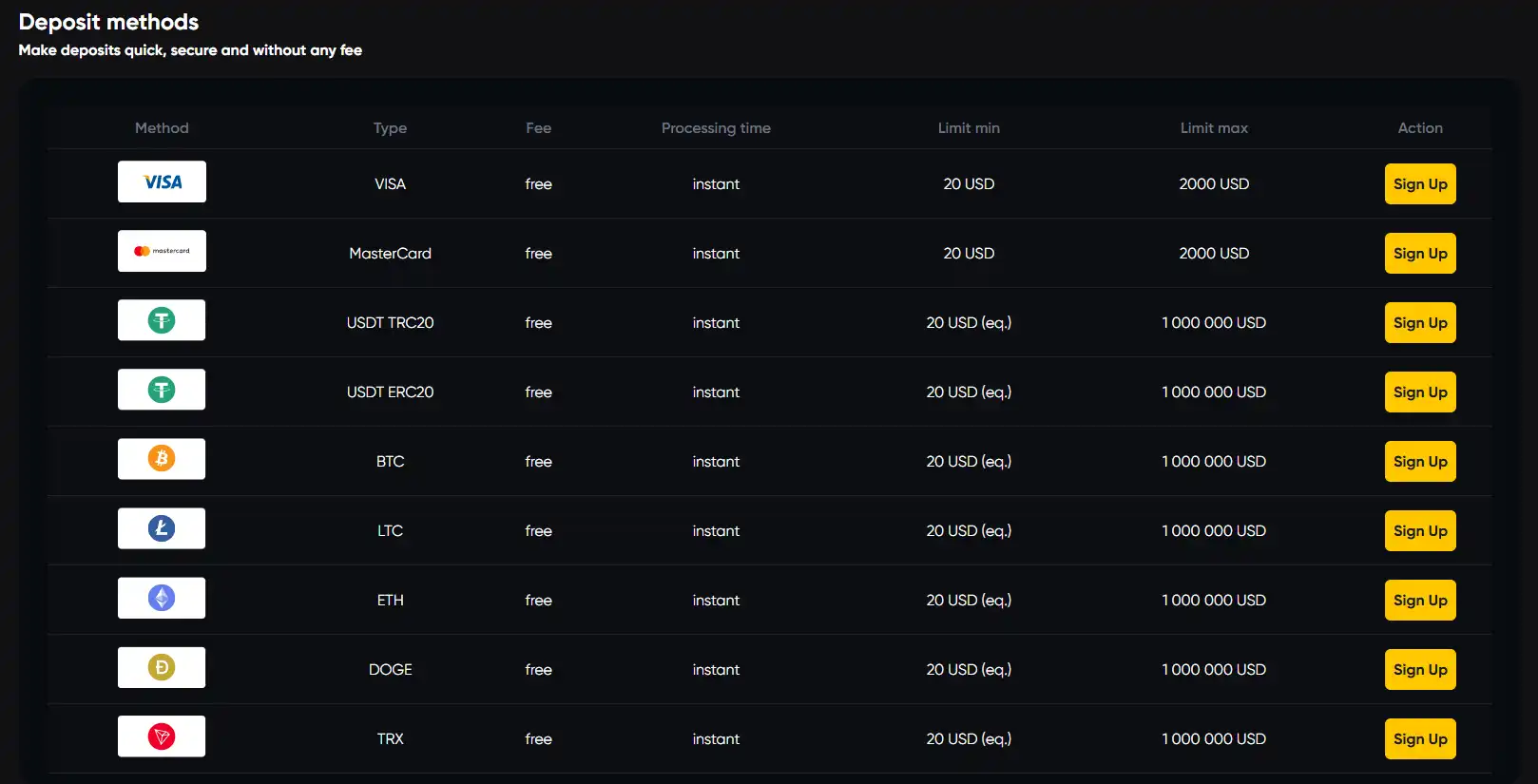
Specialist reviews of gambling payment options describe a range that can include debit cards, PayPal and Skrill e-wallets, bank transfers and, at some services, cryptocurrency. The list is not a promise that every method will be available for every account, transaction or location. Nor does the presence of a payment logo establish that a withdrawal can be sent back through it. A deposit route and a payout route are not always interchangeable.
Credit cards need separate treatment. Australian online gambling services must not accept credit card payments. A page that places credit and debit cards together without making that distinction can leave a misleading impression. The relevant payment choice for any lawful transaction is not simply what appears in a general list: the local restriction matters.
From the operator’s side, the cleanest route is often to return funds to the same method used for the deposit, where possible. That rule keeps the incoming and outgoing movements connected. It can also mean that the method used to fund an account shapes which payout option is offered later. A player who expects to deposit by one route and cash out through an unrelated one may find that the operator’s process does not work that way.
The practical difference is easiest to see by separating three stages: the request, the operator’s release of funds and the payment provider’s transfer. A withdrawal form records the requested destination and amount. The operator then handles the request under its own procedures. Only after release does the payment route determine how the money moves onward. These stages can overlap in an advertising claim, but they are not the same event.
Funds are sent to a separate electronic account, often resulting in faster transfers if supported for both directions.
Payments are directed through standard banking channels and typically take several days to process.
Transactions are tied directly to the card and its associated bank account.
Uses a different transfer system that can be near-instant once the operator releases the funds.
An e-wallet is a separate account used to hold or move money electronically. If it is supported for both directions, the operator’s payment instruction goes to that wallet rather than directly to a bank account. A bank transfer, by contrast, is directed through banking channels. Debit-card payments are tied to the card and its associated account, while cryptocurrency uses a different transfer system. These distinctions explain why a single advertised processing time cannot describe every route.
There is no universal ranking that can be applied without knowing the operator’s rules and the payment route. Availability may differ between deposit and withdrawal screens, and the account details must match the route being used. A payment method that accepts a deposit is not necessarily evidence that it will accept a withdrawal. The terms should state the applicable methods, fees, limits and processing times; otherwise, the payment label alone tells little about the full process.
I have seen payment wording do more work than it appears to. “Fast” may describe the provider’s transfer once funds have been released, while saying nothing about when the operator sends them. A bank’s role, a wallet’s role and an operator’s internal handling are separate links in the chain. If one link is waiting, the next cannot complete the transfer. Marketing compresses the chain. The transaction does not.
For a reader assessing a payment description, the useful distinction is therefore not simply card versus wallet versus bank. It is whether the named method is available for the relevant direction, whether it matches the funding route, and what the published terms say about release and receipt. In Australia, that assessment must also sit within the legal restriction on real-money online casino services. Payment mechanics can explain a delay; they do not make a prohibited service lawful.

Bonuses Can Hold Up a Withdrawal Even After Approval
A withdrawal can be approved in one sense and still be ineligible for release under a bonus’s terms. “Approved” may describe a decision on the request, not confirmation that every condition attached to promotional funds has been met. Wagering requirements are one such condition: they set out how much qualifying play must take place before bonus-related funds can be withdrawn.
That distinction matters when assessing claims about a no-deposit offer or free spins that require no verification. A sign-up step, a phone or email check, and a bonus’s wagering rules are separate conditions. Passing one does not cancel the others. Nor does an offer described as “no verification” establish that its associated winnings are withdrawable without meeting the stated terms.
There is also an Australian legal boundary that promotional wording cannot change. The Interactive Gambling Act 2001 prohibits operators from providing real-money online casino games, including slots and table games, to people physically located in Australia. A bonus label does not turn such a service into a permitted one. The explanation here concerns how wagering conditions work as a general mechanism, not an invitation to claim an offer or play.
What the wagering condition attaches to
The key distinction is the base used to calculate the wagering requirement. In one structure, the condition applies to bonus funds alone. In another, it applies to the combined amount of the deposit and the bonus. A specialist review describes both approaches and treats the bonus-funds-only basis as preferable to the combined basis.
- Check if wagering applies to bonus funds only
- Identify the specific base used for calculations
- Read the terms to find when funds become withdrawable
- Assume a bonus is usable cash immediately
- Rely on the headline value alone
- Confuse a no-deposit offer with rule-free funds
The practical difference is what must be wagered before the bonus condition is complete. When only the bonus is counted, the deposit is not added to that calculation. When the deposit and bonus are combined, both contribute to the base. The wording may look like a small detail in an offer summary, but it changes the amount of qualifying play required. The headline value does not show that difference.
I read the definition of the wagering base before treating an advertised bonus as usable cash. The decisive language is often in the terms: whether the requirement applies to the bonus, or to the deposit and bonus together. If the summary says only that wagering applies, without making the base clear, the summary has not explained the condition well enough to judge its effect.
This is why two offers with similar promotional descriptions can produce different withdrawal outcomes. The relevant comparison is not simply whether one includes free spins or calls itself a no-deposit bonus. It is how the terms define the funds subject to wagering and what must happen before those funds become eligible for withdrawal.
No-deposit offers are not rule-free
A no-deposit bonus removes the need to make a deposit to receive the promotion, if the offer’s terms allow it. It does not, by itself, remove wagering requirements. Free spins can also produce winnings subject to a bonus condition. The promotional format and the withdrawal condition are separate parts of the arrangement.

That separation is easy to miss in short advertising copy. “Free” describes how the promotional value is offered; it does not necessarily describe the status of any resulting balance. Until the wagering condition is satisfied, a displayed balance connected to the promotion may not be available for withdrawal. A request can therefore encounter a bonus restriction even where the player has already followed the steps required to claim the promotion.
Email or SMS verification is another separate matter. Completing an email check may confirm an account detail, and a phone check may serve a similar account function. Neither tells whether the bonus has been wagered according to its terms. Conversely, a wagering condition does not explain what account checks an operator may require. Treating all of these as one “verification” step obscures the actual reason a withdrawal is held.
The useful reading order is straightforward: identify which funds the wagering condition covers, then identify the point at which the terms say those funds become withdrawable. A bonus-funds-only calculation is preferable to one that includes the deposit as well, but the offer still needs to state its conditions clearly. If it does not, the promotional headline is not a reliable guide to withdrawal eligibility.
Why a balance is not the same as cash available to withdraw
A displayed account balance can combine money with different conditions attached. The amount shown is not, on its own, proof that every part can be withdrawn. Bonus-related funds may remain subject to wagering, while other funds may be treated differently under the applicable terms. The distinction is contractual, not cosmetic.
A displayed account balance may combine funds with different conditions; bonus-related funds often remain subject to wagering requirements regardless of the total shown.
I have seen promotional language make the bonus feel like an immediate addition to a cash balance. The operational meaning is narrower: it is value offered under conditions. Until those conditions are met, a withdrawal request may be blocked or restricted for that reason, even if the account screen shows a balance and the request has passed another stage of review.
The same caution applies to phrases such as “easy verification” or “no verification.” They describe, at most, a claim about checks; they do not answer the separate question of whether bonus wagering is complete. A no-deposit offer is not automatically withdrawal-ready, and free spins do not establish that any resulting funds are unrestricted.
Read the calculation, not the slogan. That is where the condition sits.
Crypto Payments: Near-Instant Transfers, Separate Withdrawal Checks
Cryptocurrency can make the movement of funds look immediate, but that describes only one part of a withdrawal. A specialist review has reported that crypto transactions can be near-instant; that is a possibility, not a promise about how quickly a cashout request will be completed. The operator’s decision comes first. The transfer comes after.
That distinction is easy to lose in advertising. “Near-instant” sounds like the whole process, from clicking a withdrawal button to receiving spendable funds. In practice, an operator may still need to review the account and approve the request before releasing anything. The payment method cannot make that internal step disappear. Fast rails do not mean fast clearance.

Crypto is sometimes presented as a way to use a casino without identity checks. The reasoning tends to be that a wallet address is not the same thing as a bank account. But the account receiving a deposit is not the only information relevant to a withdrawal. Operators must verify player identity through KYC procedures before processing withdrawals, and a first cashout can prompt that review. Paying in cryptocurrency does not turn an unverified account into an approved one.
I have seen the distinction matter most when a player treats a deposit as proof that the account is ready to withdraw. A successful incoming transfer confirms that funds reached the account; it does not establish that the operator has completed its checks or accepted the account details for a payout. Those are separate decisions. The deposit can be complete while the cashout remains pending.
There is also a legal boundary in Australia that should not be blurred by payment terminology. The Interactive Gambling Act 2001 prohibits operators from providing real-money online casino games, including slots and table games, to people physically in Australia. Calling a service a crypto casino, a bitcoin casino or a no-verification platform does not change what kind of service it provides. Cryptocurrency is a payment form, not an exemption from the law.
Legal Restriction
The Interactive Gambling Act 2001 prohibits operators from providing real-money online casino services to people located in Australia, regardless of the payment method used.
That is why claims about “casinos with no verification” deserve careful reading. The phrase may mean that an account can be opened without uploading documents immediately. It cannot reliably mean that identity checks will never be required before funds are released. Nor does using a crypto wallet establish that a real-money casino service is lawful in Australia. A different payment route changes the transfer mechanics, not the legal status or the identity-check requirement.
For a withdrawal, the useful question is not simply whether the cryptocurrency network can move value quickly. It is whether the operator has approved the request and released the funds. Until that happens, a fast potential transfer is only a property of the payment method, not a cashout time. After release, the transfer itself may be near-instant, as the specialist review describes, but the wording should not be stretched to cover the entire request-to-receipt process.
This is the practical limit behind phrases such as “crypto casino no ID verification” or “best no-verification casino.” They combine two separate ideas: the choice of payment rail and the operator’s account checks. One does not cancel the other. The same applies to pokies or other casino games; the game label has no bearing on whether a withdrawal can be processed without KYC.
A wallet can move funds quickly. Approval remains separate.
“Instant” Pokies Withdrawals Still Have a Processing Stage
“Instant” describes a payment stage, not necessarily the full journey from submitting a withdrawal request to money arriving in an account. In the systems I have seen, the request first has to clear the operator’s own process. Only after release does the chosen payment route take over. The label can be technically accurate at that final stage and still give a misleading impression of the total wait.
A specialist review identifies several influences on payment speed, rather than treating the selected method as the only factor. The operator’s review queue, account status and the payment provider’s handling can all affect the timeline. Those stages do not run as one continuous transaction. A request may be waiting for approval while the receiving bank or e-wallet has not yet been involved.

That distinction matters because “instant withdrawal” is often used as shorthand for a fast transfer after approval. It does not mean every request is approved immediately, or that funds are guaranteed to appear at once. Internal review remains a separate step. Casinos must complete identity checks before processing withdrawals, and a pending request can therefore reflect an approval stage rather than a slow payment network.
Once released, e-wallet withdrawals are typically processed within 24 hours. Bank transfers and card payments may take several days. These are different parts of the payment chain, not a promise that every transaction will meet the same timing. A transfer can move quickly through one method and still take longer overall if the operator has not released it.
I learned to read speed claims as descriptions of a particular segment. “Processed” can mean the operator has approved and sent the funds; “received” means they have reached the account. The wording is not interchangeable. Where an offer focuses only on the transfer after release, it leaves the review period outside the headline claim. Small distinction. Real consequence.
Withdrawal Timeline
The player submits a withdrawal form with the destination and amount.
The casino reviews the account and identity (KYC) to approve the release.
The operator authorizes the payment and sends it to the provider.
The payment network (bank, wallet, or crypto) moves the funds to the user.
A useful timeline therefore separates the stages: request submitted, operator review completed, funds released, payment provider processing, and funds received. The operator may show a request as pending even before the payment method starts processing. Conversely, a status marked approved does not necessarily mean the receiving account has already been credited.
The relevant terms should make clear what the stated time measures, which methods it applies to, and whether a manual review can intervene. If timing is described only with an “instant” badge, the practical meaning is limited. It says little about the full request-to-receipt period.
There is also a legal boundary specific to Australia. Under the Interactive Gambling Act 2001, operators are prohibited from providing real-money online casino games, including pokies, to people located in Australia. A fast payout claim does not change that status or make an offshore casino service lawful to provide locally. Payment language and legality are separate questions.
For a withdrawal already in progress, the key distinction is between waiting for operator approval and waiting for the payment route to complete. The first concerns release; the second concerns delivery. Calling both stages “instant” collapses them into one claim. That is where the confusion begins.
Real-Money Play, Phone Details and Cashout Limits
In Australia, real-money online casino games, including pokies, are prohibited services when supplied to people in the country. That matters when reading claims about cashouts: a site’s wording does not change the legal status of the service. The practical details below describe the account conditions such platforms may set, not an endorsement of using them.

A phone number and a payout destination serve different purposes. A phone field may be part of an account’s contact details, but entering one is not the same thing as making a withdrawal eligible. Nor does a promise of “no phone verification” establish that a cashout will be released without other account conditions being met. From the operator’s side, these fields help keep the account record consistent; the payment decision still follows the platform’s stated rules.
The limit displayed beside a single withdrawal is not necessarily the only cap that matters. A specialist review reports that some platforms set weekly or monthly cashout limits separately from per-transaction maximums. Those are different controls: one can restrict the size of a single request, while another can restrict the total released over a defined period. A request may fit beneath the transaction ceiling and still exceed what remains available under a periodic cap.
That distinction is easy to miss when a cashier page shows only the amount allowed in one transaction. The relevant terms should state the minimum and maximum withdrawal amounts, any fees, and the applicable processing conditions. If the page and the terms do not match, the written conditions need clarification before any account balance is treated as readily withdrawable. Small print matters.
Account details also need to line up with the payout destination. Funds should go only to an account linked to the casino profile; a mismatch can create a review or prevent the requested route from being used. A phone number does not substitute for that linkage, and a phone-free sign-up claim says nothing about weekly or monthly caps.
Withdrawal limits can be complex, with separate caps for single transactions and total weekly or monthly amounts.
I have seen “no verification” used as if it described the entire cashout process. It describes, at most, one account step. The useful distinction is between how an account is opened, what contact details it carries, and what limits govern money leaving it. Those are separate conditions, and the withdrawal terms are where the last two should be made clear.
Live Casino Access Does Not Remove the KYC Step
A live dealer changes the format of a game, not the checks attached to an account. A video stream, table interface or staffed game room does not create an exception to identity verification. Where an operator processes a withdrawal, it must verify the account holder’s identity first. A live-casino account is not a route to a cashout without checks.
The timing can catch people off guard. A specialist review of withdrawal practices reports that a first cashout request can prompt an identity-document request. That is a reported pattern, not a guarantee about every operator’s procedure. The practical point is that account access and withdrawal approval are separate stages: being able to open an account or join a table does not establish that the account is ready for a payout.
I have seen “no verification” used as if it described the whole account journey. In practice, it may refer only to sign-up friction; it cannot promise that KYC will be skipped when funds are requested. The distinction matters most at the point of withdrawal. Checks may still be outstanding. No shortcut.

There is also a specific Australian context. Under the Interactive Gambling Act 2001, providing real-money online casino games—including live table games—to people physically in Australia is illegal for operators. A claim that a live casino offers a way around verification does not change that legal status, and access to a service does not make it lawful for the operator to provide it.
So the phrase “casino with no verification needed” should not be read as a dependable description of a live account or its withdrawals. The live format answers how the game is presented; KYC concerns who holds the account and whether a withdrawal can be processed. They are different questions.
PayID: Fast Once the Casino Releases the Funds
PayID is part of Australia’s New Payments Platform (NPP), which enables real-time transfers between bank accounts. That describes the bank transfer itself, not the time taken for an entire withdrawal request to reach a player.
A specialist review has reported that funds sent through PayID can move instantly after a casino releases them. The important condition is after release. Before that point, the operator may still need to complete its review and approve the request. “Instant” therefore describes the payment leg, not a guaranteed instant cashout from request to receipt.
PayID does not remove identity checks. Casinos must verify a player’s identity before processing withdrawals, and a first withdrawal can prompt a verification request. A fast bank network cannot bypass that step.
To avoid security reviews and potential delays, ensure the PayID used for withdrawal matches the one used for deposits and is linked to your casino profile.
There are also account details to consider. The PayID used for a withdrawal should match the one used for deposits, and funds should go to an account linked to the casino profile. A mismatch can prompt further security review. Withdrawal limits, fees and processing conditions depend on the operator’s terms, so the advertised transfer speed is only one part of the timeline.
There is a separate legal issue in Australia: the Interactive Gambling Act 2001 prohibits operators from providing real-money online casino games to people physically in the country. PayID’s availability as a bank payment system does not make an otherwise prohibited gambling service lawful. Payment infrastructure and gambling permission are different matters.
Pokies and the Difference Between a Game and a Payout Method
“Pokies” describes slot-style games; it says nothing about how a payment is routed. A game and a payout method sit on separate parts of the account: one determines what is played, while the other determines how funds might be transferred. Calling a site a pokies venue therefore does not establish that it offers a particular cashout speed—or that a withdrawal can avoid identity checks.
A specialist review has reported that some real-money casino services offer instant banking through providers such as POLi. That is a limited description of a payment option, not a promise that every request reaches a bank account instantly. The operator still controls whether and when it releases funds, and Australian rules require identity checks before a withdrawal is processed.
There is a more fundamental Australian distinction. The Interactive Gambling Act 2001 prohibits operators from providing real-money online slots to people physically in Australia. A payment label, game category or “no verification” claim does not change that position. A service advertising pokies and a convenient cashout route should not be read as evidence that the offering is lawful for Australian customers.

In practical terms, the pokies label cannot answer questions about payment processing. POLi, where offered, refers to banking infrastructure; it does not identify a game or remove the operator’s review stage. The wording matters. “Instant banking” describes a possible transfer feature, not an end-to-end withdrawal commitment.
Separate the two claims. The game name describes entertainment; the payment method describes a route for moving money. Neither phrase cancels the legal restriction or the identity checks that apply to withdrawals. No shortcut.
Bitcoin, Credit Cards and the Australian Context
Bitcoin and credit cards do not belong in the same payment category for Australian online gambling. A specialist review describes cryptocurrency transactions as potentially near-instant, but that concerns the transfer itself; it does not establish that a gambling operator has approved a withdrawal or that a transaction avoids account checks. “No verification” is not a payment feature.
The credit-card wording points to a different market context. Online gambling services in Australia must not accept credit-card payments. A reference to a United States casino accepting a card therefore does not describe an available Australian payment route. Nor should a card deposit be treated as a workaround for restrictions that apply to real-money online casino services.
There is a more basic legal distinction. Under the Interactive Gambling Act 2001, operators may not provide online casino games, including slots and table games, to people physically located in Australia. A payment method does not change that rule. Bitcoin does not make a prohibited service permissible, and a card-free cashier does not make it compliant.
From the payment desk, the useful distinction is between a transfer method and the operator’s authority to offer the underlying service. Crypto may move value quickly; it cannot turn an Australian-facing online casino into a lawful one. Credit cards are not an Australian casino deposit option. Separate the mechanics from the legal position. Different questions.
How fast are withdrawals?
E-wallet withdrawals are often completed within hours and are typically processed within 24 hours, while bank transfers and card payments may take several days. PayID transfers can arrive almost instantly after the casino releases them, but checks—especially on a first withdrawal—can add time.
What payment methods are available?
Options can include debit cards, PayPal and Skrill, bank transfers, and—in some cases—cryptocurrency. PayID is also used for near-instant bank-to-bank transfers; prepaid vouchers such as Neosurf are generally for deposits, not withdrawals.
What are easy withdrawal casinos?
They are sites with a straightforward cashout process, clear withdrawal limits, and payment options that can deliver funds quickly. A short sign-up does not mean withdrawals are free of identity checks: first cashouts may require verification before funds are released.
How do you choose the best easy withdrawal casino site?
Check that withdrawal limits are clearly published, whether fees apply, and which payment methods are available for cashouts. Consider how quickly the method transfers funds, complete identity verification early, and check whether bonus wagering applies to the bonus alone or to the deposit as well.
Written by the editors at Caswino Casino.