Caswino Australia
Is Caswino Legal in Australia? ACMA, the IGA and the 2026 Reform
 Available in US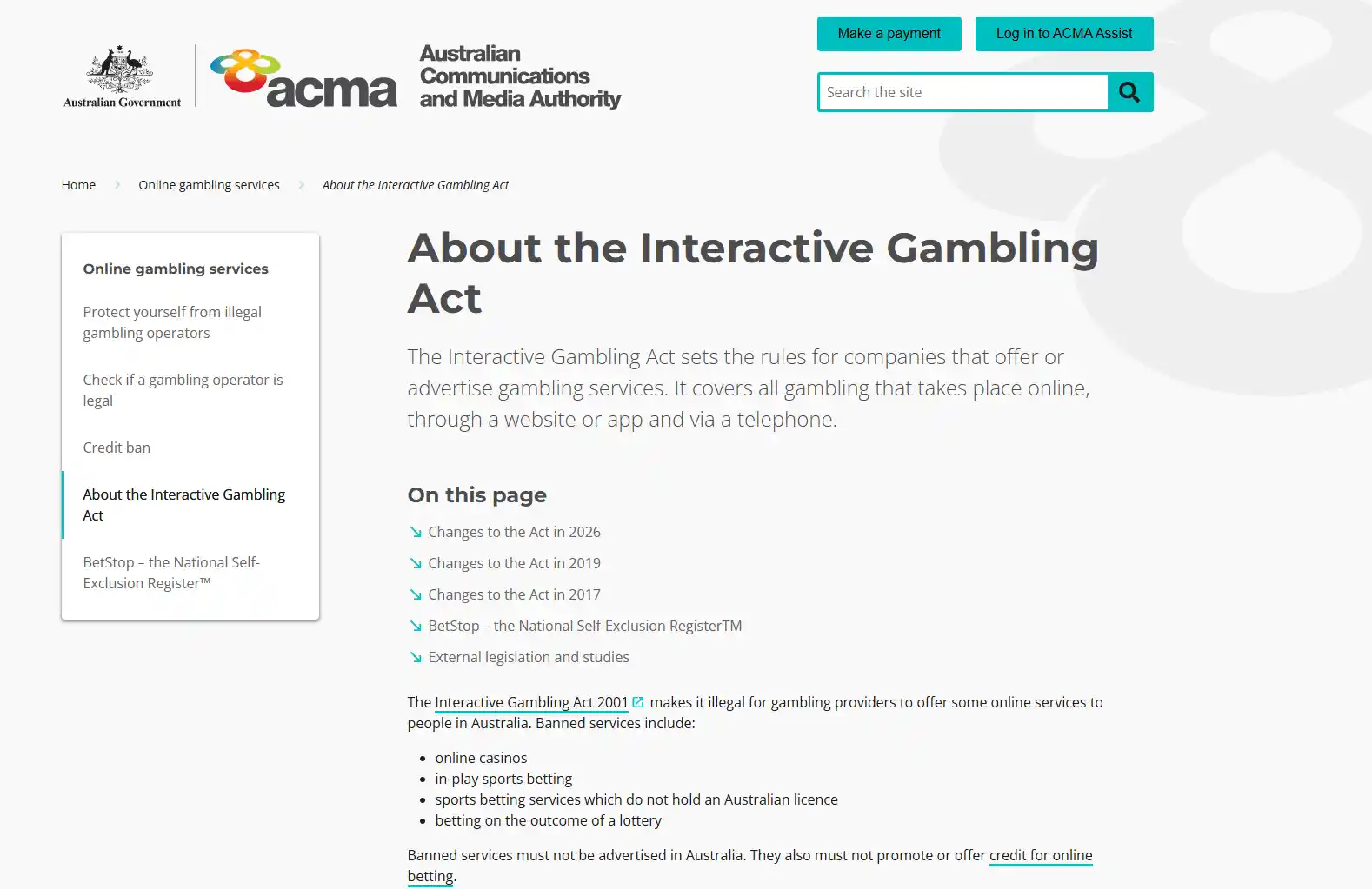
Australian federal law prohibits gambling providers from offering online casino services to people in Australia. The Australian Communications and Media Authority (ACMA) enforces the Interactive Gambling Act 2001 and identifies online casinos as prohibited interactive gambling services. Caswino operates under an Anjouan licence and does not appear with a local Australian licence in ACMA’s provider information. The offshore licence therefore should not be read as permission from ACMA or as Australian consumer-protection coverage.
The legal position is easier to understand when provider rules are separated from player conduct. The federal regime is directed heavily at the supply and advertising of prohibited services. That does not amount to a blanket statement that an individual Australian commits an offence merely by visiting or using an offshore casino, nor do Caswino’s operational access signals prove Australian authorisation. Those are different questions.
- The Interactive Gambling Act is the starting point
- ACMA’s role is enforcement, not offshore licensing
- What Caswino’s Anjouan licence means in Australia
- Provider prohibition and player conduct are not the same question
- Operational access does not equal legal authorisation
- Advertising rules matter to how casino content is presented
- ACMA actively disrupts illegal gambling services
- The 2026 reform has two important dates
- What changes from 1 January 2027
- Australian wagering licences are a different category
- What the law does not tell you about a particular account
- Why the ACMA register and the block list answer different questions
- What Australian readers should keep separate in 2026
The Interactive Gambling Act is the starting point
The key federal law is the Interactive Gambling Act 2001. ACMA’s current public guidance says the Act makes it illegal for gambling providers to offer certain online services to people in Australia. The banned list includes online casinos, in-play sports betting, sports betting services without an Australian licence and betting on the outcome of a lottery.
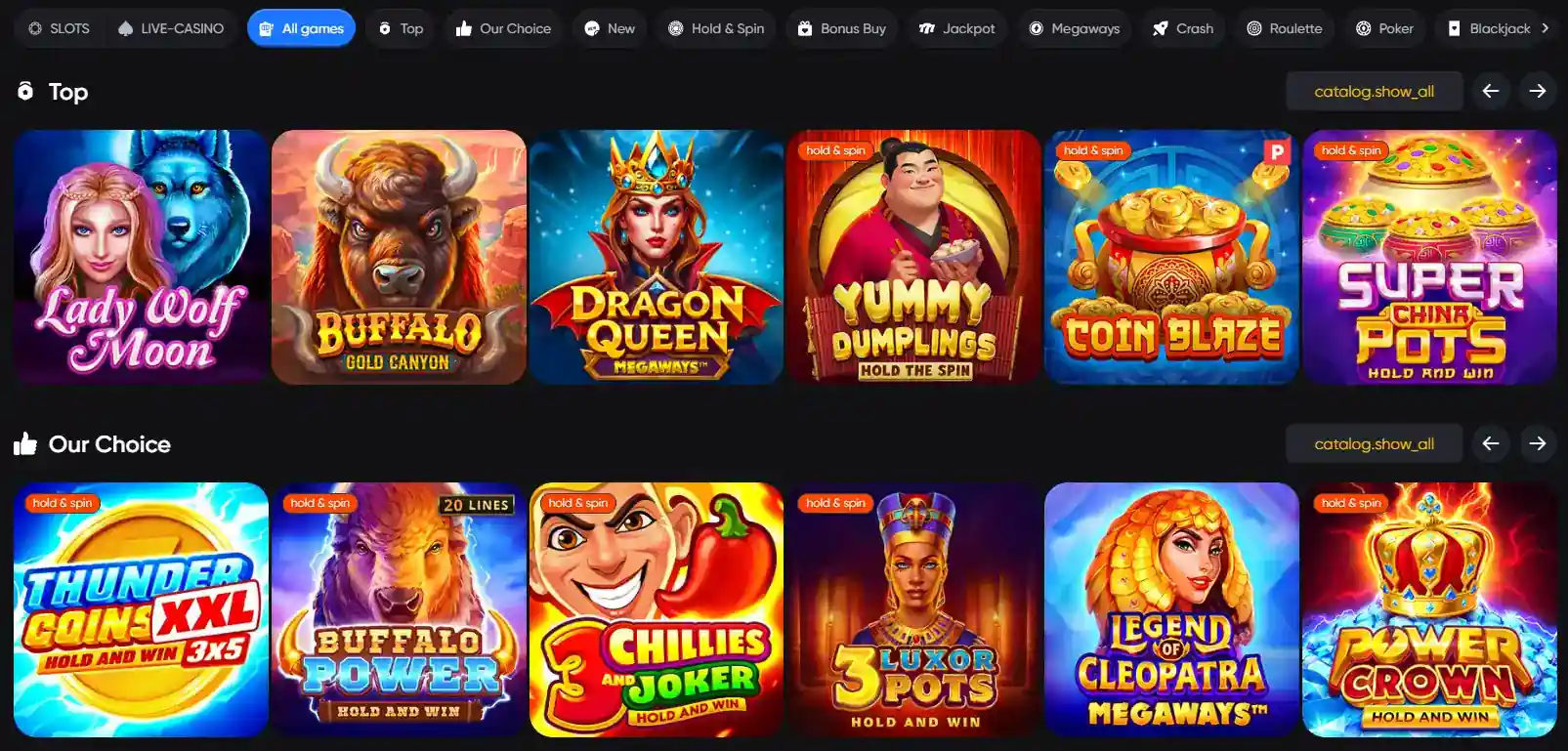
For Caswino, the most relevant category is online casino services. Slots, roulette, blackjack and similar casino products fall into the casino-style service area that ACMA repeatedly identifies in its enforcement material. That is why a foreign licence does not create an exception to the Australian provider-side prohibition.
The law also deals with advertising. ACMA states that banned services must not be advertised in Australia. This is why an Australian-facing explanation of Caswino should remain informational rather than being framed as an inducement to register, deposit or play.
ACMA’s role is enforcement, not offshore licensing
ACMA enforces the federal interactive gambling rules. Its tools include investigations, formal warnings, civil enforcement mechanisms and disruption measures. ACMA also asks Australian internet service providers to block websites that it finds are providing prohibited or unlicensed gambling services to customers in Australia.
The agency publishes a register of licensed interactive gambling providers for regulated wagering services. Those providers hold an Australian state or territory licence and appear on ACMA’s register. The register should not be misunderstood as a route by which an ordinary online casino can simply obtain an Australian casino licence and continue offering prohibited casino-style games online.
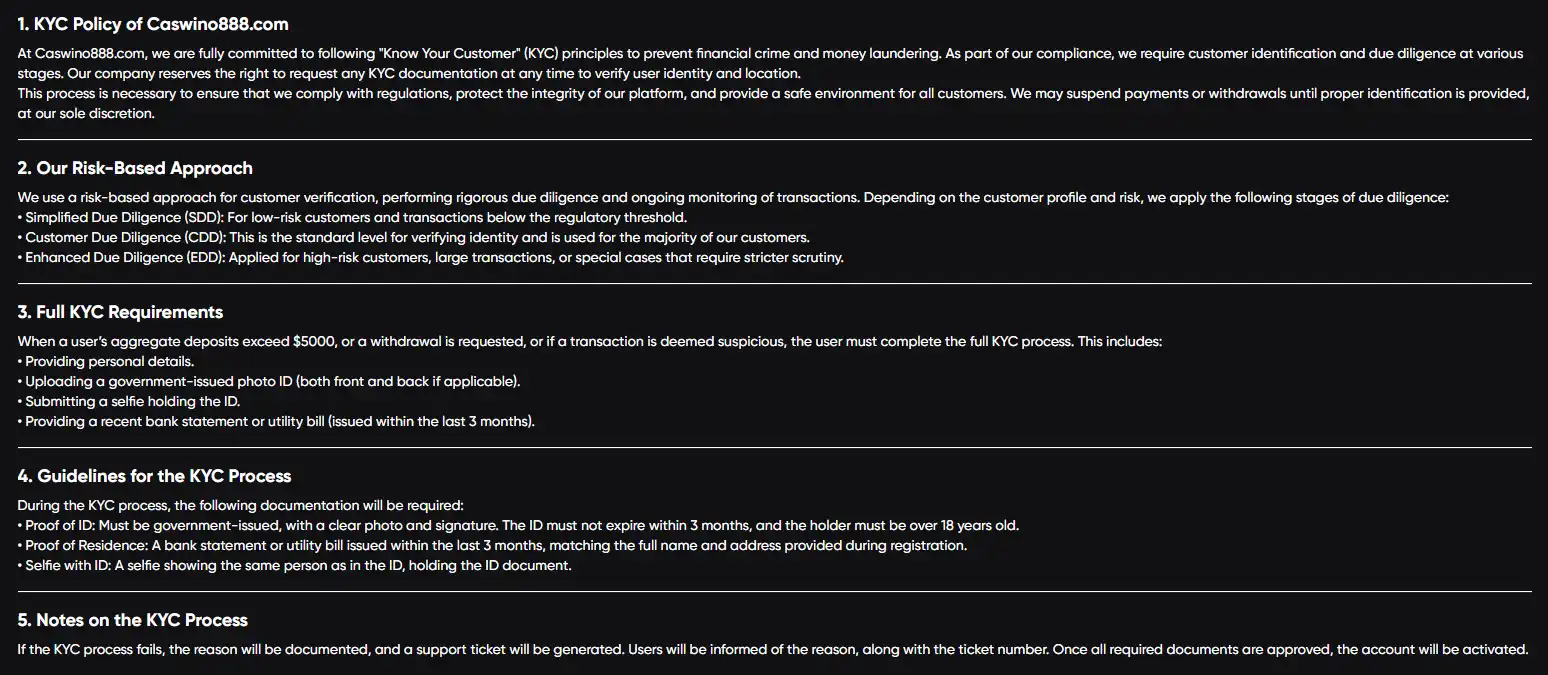
The Caswino licence and trust page deals with the brand’s operator identity and Anjouan licence. The legal point here is narrower: that licence belongs to another jurisdiction and does not replace the Australian rules governing what services may be offered to people in Australia.
What Caswino’s Anjouan licence means in Australia
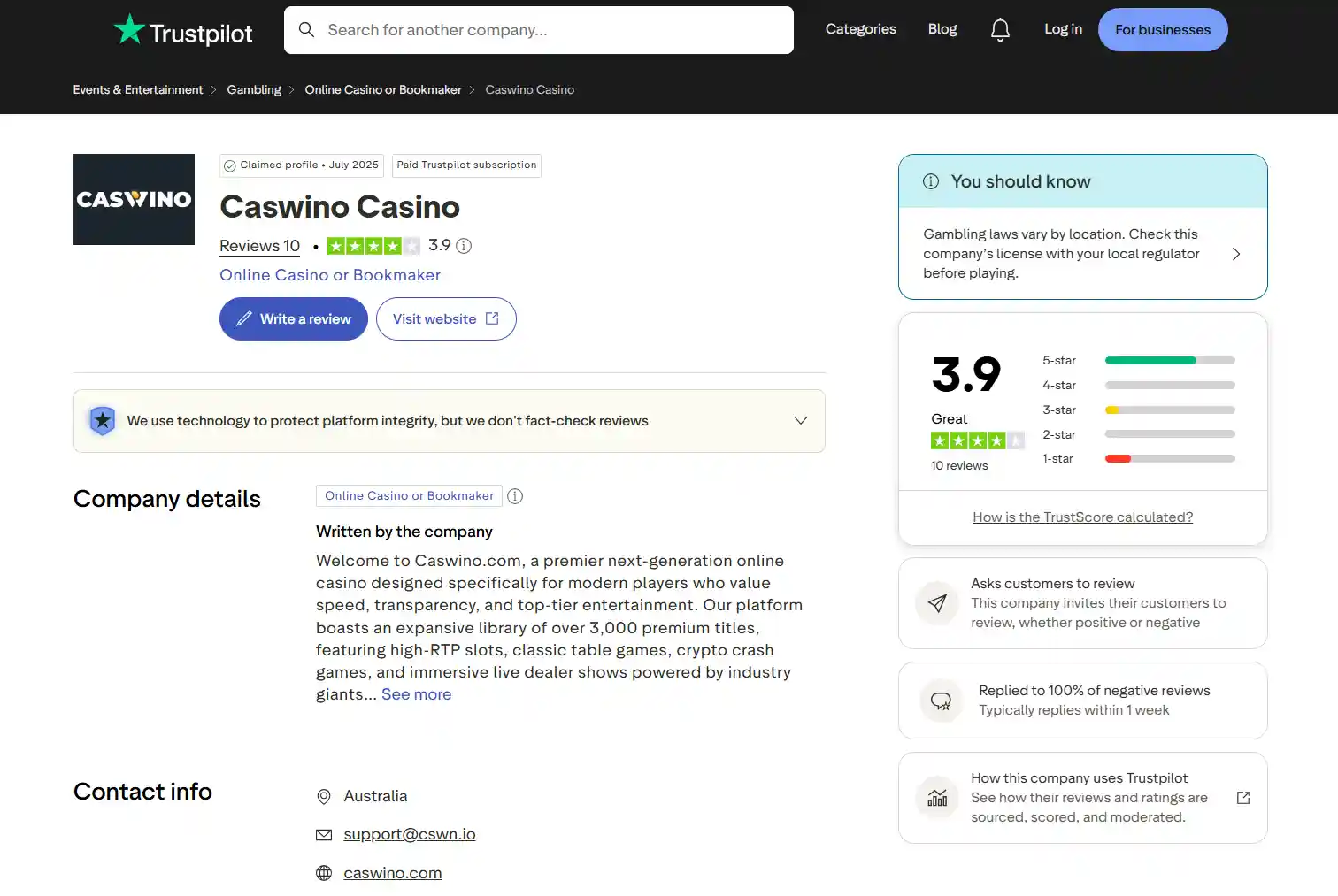
Caswino is operated by Casdev LTD under Anjouan licence ALSI-202510041-FI2. The current operator record lists that licence as active and associates caswino.com with Casdev Ltd. This establishes an offshore licensing relationship for the operator.
It does not establish Australian approval. Caswino does not appear on ACMA’s register of Australian-licensed interactive wagering providers. More importantly, online casino services are themselves identified by ACMA as prohibited interactive gambling services when offered to people in Australia.
That difference is why “licensed” needs a jurisdiction attached to it. Saying “Caswino is licensed” without naming Anjouan can leave an Australian reader with the wrong impression. Saying that Caswino has an Anjouan licence while no local Australian licence appears in the relevant ACMA information accurately describes both sides.
Provider prohibition and player conduct are not the same question
One of the most common sources of confusion is moving from a rule about providers to a claim about individual players. ACMA’s guidance focuses on companies that offer or advertise gambling services and on whether those services are prohibited or unlicensed under the federal regime.
That does not justify a simple sentence saying every Australian who plays at an offshore online casino is committing a criminal offence. Individual legal circumstances can depend on the legislation, jurisdiction and conduct involved, so the general information here should not be read as personal legal advice.
For practical reading, keep the categories separate: Australia restricts the provision of online casino services to people in Australia; ACMA can act against providers and websites; and a player’s personal legal position should not be invented from those provider-side rules.
Operational access does not equal legal authorisation
Caswino has operational signals aimed at Australian users, and account access can be a separate factual question from licensing. But the ability to reach a website, create an account flow or see AUD-related content does not produce an Australian licence.
The same principle works in reverse. A website’s absence from a particular ACMA blocking list on a particular date does not prove that the service is lawful. ACMA’s blocking program is an enforcement tool, not a comprehensive real-time whitelist of every lawful and unlawful domain.
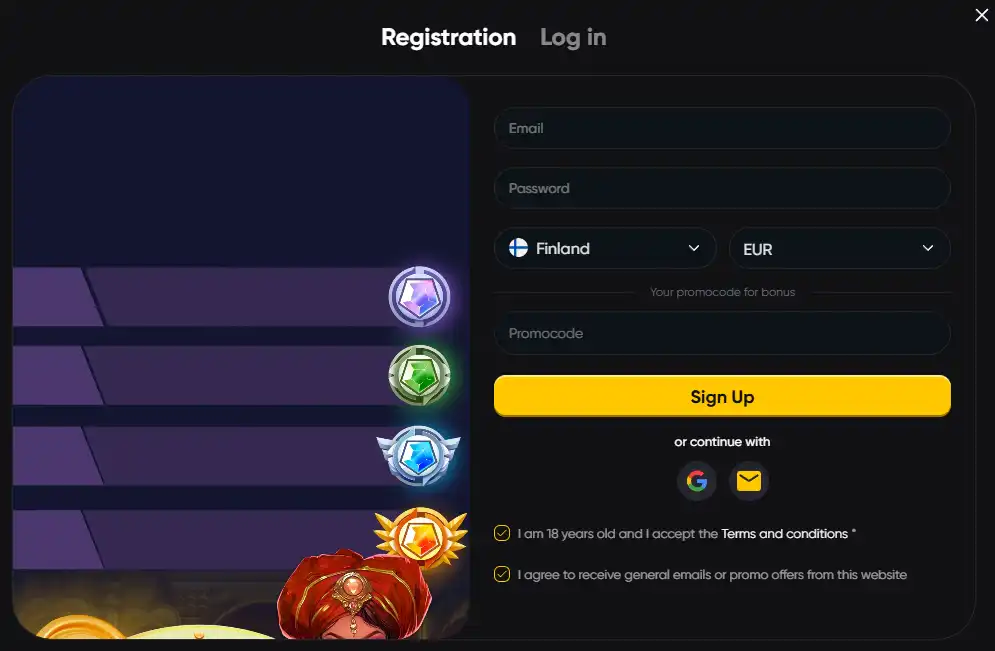
If you are looking at account mechanics rather than law, use the Caswino registration guide. Keeping the operational and legal questions on separate pages avoids implying that successful technical access is a regulatory approval signal.
Advertising rules matter to how casino content is presented
ACMA states that advertising prohibited interactive gambling services is banned in Australia. The federal framework therefore affects more than the casino operator itself; it also matters to how prohibited services are promoted to Australian audiences.
For readers, the useful distinction is between information and inducement. Explaining a licence, payment method or legal rule is different from urging someone to sign up, deposit immediately or claim a promotion. Content about prohibited services should not be turned into a sales pitch through urgency, bonus pressure or direct play prompts.
This also explains why legal context belongs alongside product information. A casino can have games, payment methods and account tools that are straightforward to describe, while the way those features are marketed in Australia remains constrained by the federal framework.
ACMA actively disrupts illegal gambling services
Website blocking is one of ACMA’s established enforcement tools. The agency can ask internet service providers to block sites where serious offences are involved, including websites providing prohibited interactive gambling services such as online casinos or unlicensed regulated interactive gambling services to customers in Australia.
ACMA’s 2026 enforcement reports show that this is an active program, not a dormant power. The agency continues to publish newly blocked casino and affiliate domains and reports investigations, warnings and other disruption action.
A block can therefore be a meaningful enforcement event for a named site. But absence from the blocked list should not be treated as approval. Enforcement lists reflect action taken, not a comprehensive licence decision for every casino domain on the internet.
The 2026 reform has two important dates
Australia enacted the Interactive Gambling Amendment (Gambling Reform) Act 2026, which received Royal Assent on 26 August 2026. The commencement table matters because not every part began operating on that date.
Sections 1 to 4 commenced on 26 August 2026. Schedule 5 commenced on 27 August 2026. All other schedules commence on 1 January 2027. ACMA’s current guidance likewise says most of the reforms commence on 1 January 2027.
That timing prevents a common error: describing the future 2027 measures as though they are already fully in force in September 2026. Any discussion of the reform should state which provisions have commenced and which are scheduled for the new year.
What changes from 1 January 2027
The 2026 amendment package includes substantial changes covering areas such as wagering advertising, disruption of illegal gambling services, BetStop, online lottery products, inducements and a wagering advertising opt-out register. The detailed operation of those provisions is extensive and should be read from the legislation and ACMA implementation material as commencement approaches.
For Caswino readers, the key point is not that the reform creates an Australian pathway for offshore online casinos. The existing distinction remains central: online casino services are already listed by ACMA among the services providers must not offer to people in Australia.
The reforms strengthen and reorganise parts of the broader interactive gambling framework, but they should not be used to imply a change in Caswino’s local licence status unless an actual Australian register entry appears.
Australian wagering licences are a different category
Australia does permit certain regulated interactive wagering services. Licensed providers hold a state or territory licence and are listed on ACMA’s register. Those businesses operate within rules that include Australian regulatory obligations and, where applicable, participation in systems such as BetStop.
That category is different from online casino-style services. A sports betting operator appearing on the ACMA register does not mean roulette or online slots become generally licensable under the same framework. Mixing those categories is one reason online discussions about “Australian casino licences” can become misleading.
Caswino’s offshore Anjouan licence belongs on the licence details page. The Australian legal analysis belongs here because it explains why the presence of a foreign licence does not answer the local provider-law question.
What the law does not tell you about a particular account
Federal gambling law can explain whether a type of service may be offered and advertised, but it does not tell you whether a particular Caswino account will pass KYC, how a withdrawal will be handled or whether a support case will be resolved quickly. Those are operational questions.
Likewise, individual player reports do not rewrite the statute. The recent player feedback page can help identify practical themes, but complaints and ratings should not be used as substitutes for ACMA guidance or legislation when discussing Australian law.
This separation is useful when evaluating risk. Legal status, licence jurisdiction, payment performance and user-reported experience each provide different information. None should be stretched to answer all the others.
Why the ACMA register and the block list answer different questions
The licensed-provider register identifies Australian-authorised interactive wagering providers. The blocked-sites list records domains that ACMA has asked internet service providers to disrupt after enforcement action. A brand can be absent from both lists and still not have an Australian licence. For that reason, the register is the relevant place to check local wagering authorisation, while the block list should be read as a record of enforcement activity rather than a complete legal-status directory.
What Australian readers should keep separate in 2026
Three facts resolve most of the confusion. First, ACMA says online casino services are prohibited interactive gambling services that providers must not offer to people in Australia. Second, the licence Caswino publishes is from Anjouan, not Australia. Third, the 2026 reform was assented on 26 August 2026, but most substantive schedules commence on 1 January 2027.
Those facts do not require a blanket claim that every individual player’s conduct is criminal, and they do not support describing Caswino as Australian licensed. For the broader product picture, the Caswino Australia review covers the service itself; for legal interpretation beyond general information, consult an appropriately qualified Australian legal professional.
Prepared by the Caswino Casino editorial staff.